Where to purchase peptides for sale online

Where to Purchase Peptides for Sale Online in 2025: A Comprehensive Guide for Researchers

The scientific landscape is continuously evolving, and among the many tools propelling this advancement, peptides stand out as versatile and powerful compounds. For researchers seeking to purchase peptides for sale online, navigating the vast digital marketplace can be a complex endeavor. The importance of sourcing high-quality, pure, and accurately labeled peptides cannot be overstated, as the integrity of your research hinges on the quality of your materials. In 2025, the demand for reliable suppliers offering peptides for various studies, from cellular biology to metabolic research, is higher than ever. This guide aims to demystify the process, providing a comprehensive overview of how to buy peptides for sale safely and effectively, ensuring your experiments are built on a foundation of scientific rigor and trust.

Peptides, which are short chains of amino acids, play crucial roles in countless biological processes. Their specific structures allow them to act as signaling molecules, hormones, or even antimicrobial agents, making them invaluable in diverse research fields. From exploring novel therapeutic targets to understanding fundamental biological mechanisms, access to high-grade peptides is paramount. This article will delve into the critical aspects of identifying reputable vendors, understanding quality control, and making informed decisions when you buy peptides online for your laboratory needs.

Key Takeaways

  • Prioritize Third-Party Testing: Always seek vendors that provide recent Certificates of Analysis (CoAs) from independent laboratories, verifying the purity and authenticity of their peptides.
  • Reputation and Reviews Matter: Research a vendor's history, read customer reviews, and check for transparency in their business practices before committing to a purchase.
  • Understand Legal & Ethical Considerations: Be aware that peptides for sale online are typically for research purposes only and not for human consumption, adhering to all local and international regulations.
  • Storage and Handling are Crucial: Proper storage and handling protocols, often specified by the vendor, are essential to maintain the stability and efficacy of peptides for your research.
  • Diverse Product Catalogs: Reputable suppliers offer a wide range of well-documented peptides, often with detailed information on their structure, common research applications, and handling instructions.

The Growing Landscape of Peptides in Research
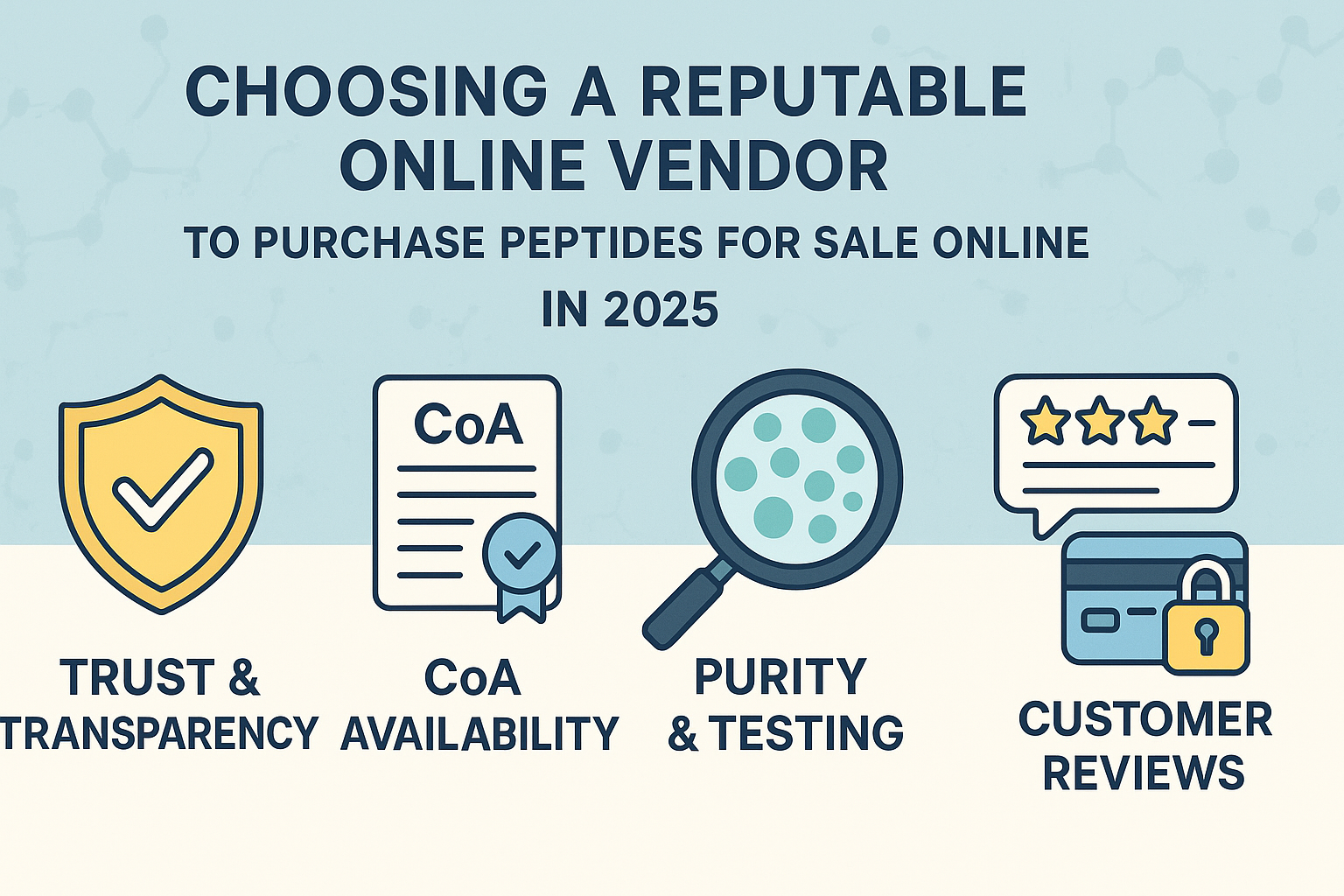
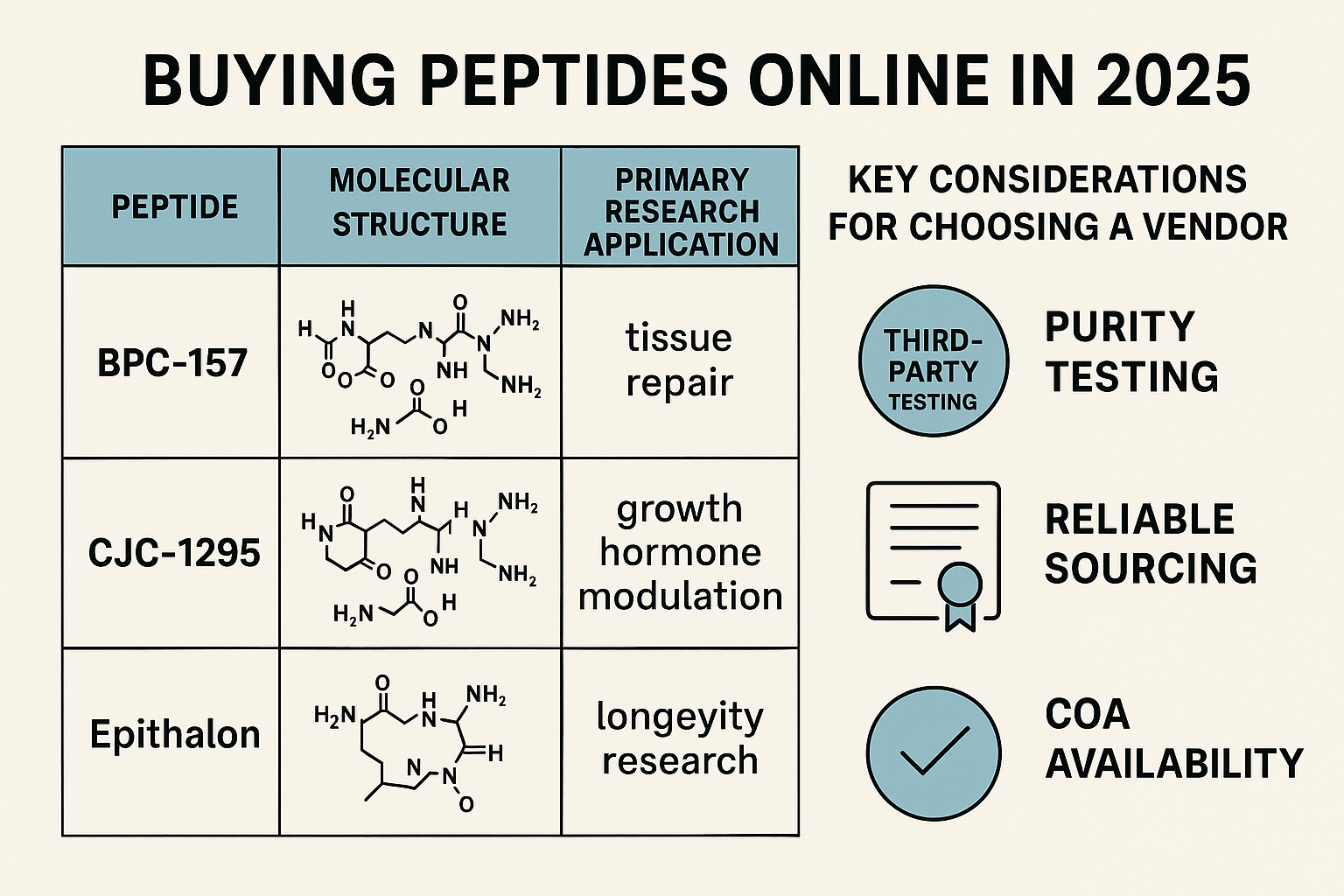
Infographic illustrating the critical factors for selecting a reputable online vendor to purchase peptides for sale online, featuring trust

The scientific community’s interest in peptides has surged dramatically over the past few decades. These biomolecules are at the forefront of numerous research areas, including drug discovery, anti-aging studies, metabolic regulation, and regenerative medicine. The ability of peptides to interact with specific receptors and pathways with high selectivity makes them excellent candidates for targeted research.

For instance, peptides like BPC-157 are frequently investigated for their potential in tissue repair and gastrointestinal health, while CJC-1295 and Ipamorelin are often studied in relation to growth hormone secretion and its downstream effects. The therapeutic potential of many peptides is still being uncovered, leading to a vibrant and expanding field of research. Consequently, the need to buy peptides online from sources that can consistently supply high-purity compounds is a critical requirement for any serious research institution or individual scientist.

Why Quality Matters When You Buy Peptides Online

The quality of peptides directly impacts the validity and reproducibility of research findings. Impure or mislabeled peptides can lead to erroneous results, wasted resources, and ultimately, a setback in scientific progress. When you purchase peptides for sale online, you are essentially trusting the vendor with the foundational elements of your experiment.

  • Purity: High purity ensures that observed effects are attributable to the peptide itself, not contaminants. Contaminants can interfere with experimental outcomes, leading to false positives or negatives.
  • Identity: Correct identification is crucial. A peptide labeled as one compound but being another can derail an entire research project.
  • Stability: Peptides are sensitive molecules. Proper synthesis, packaging, and storage are necessary to maintain their structural integrity and biological activity over time.
  • Concentration: Accurate concentration is vital for dose-response studies and precise experimental design.

Choosing a vendor that prioritizes these aspects is not merely a preference; it is a scientific imperative.

Identifying Reputable Vendors to Purchase Peptides for Sale Online

In the digital age of 2025, countless online stores claim to offer peptides. However, distinguishing between legitimate suppliers and those selling substandard products requires a discerning eye. The following criteria are essential when looking to purchase peptides for sale online.

1. Third-Party Lab Testing and Certificates of Analysis (CoAs)

This is arguably the most critical factor. Reputable vendors will always provide Certificates of Analysis (CoAs) from independent, third-party laboratories for their products. These CoAs verify the peptide's purity, identity, and concentration using techniques such as High-Performance Liquid Chromatography (HPLC) and Mass Spectrometry (MS).

What to look for in a CoA:

  • Recent Dates: Ensure the CoA is recent and corresponds to the batch you are purchasing.
  • Independent Lab Name: The lab should be clearly identifiable and independent of the vendor.
  • Purity Percentage: Look for purity levels typically above 98%, ideally 99% or higher.
  • Molecular Weight Verification: Confirm that the molecular weight matches the expected peptide.
  • Batch Number: The CoA should reference a specific batch number, allowing for traceability.

"A vendor without verifiable third-party CoAs is a significant red flag. Without this independent verification, there's no way to confirm the quality of what you're buying, making your research inherently unreliable."

When exploring vendors, always check for readily available CoAs. Some suppliers, like those found at Pure Tested Peptides, make their testing results easily accessible, underscoring their commitment to transparency and quality.

2. Customer Reviews and Industry Reputation

A vendor's reputation within the research community is a strong indicator of reliability. Search for reviews on independent forums, scientific communities, and trusted review platforms. Pay attention to comments regarding:

  • Product Quality: Are researchers consistently reporting high-quality, effective peptides?
  • Shipping and Packaging: Is the product delivered safely, promptly, and with appropriate packaging (e.g., cold packs for temperature-sensitive peptides)?
  • Customer Service: How responsive and helpful is their support team? Do they address concerns professionally?
  • Transparency: Are they open about their sourcing, manufacturing, and testing processes?

While individual negative reviews can occur, a pattern of complaints about purity, mislabeling, or poor service should prompt caution.

3. Transparent Sourcing and Manufacturing Practices

The synthesis of peptides is a complex process. Ethical vendors are transparent about their sourcing and manufacturing practices, even if they don't perform the synthesis themselves. They should be able to articulate where their raw materials come from and the quality control measures in place during the synthesis process. This level of transparency builds trust and assures researchers that they are buying from a responsible supplier.

4. Website Professionalism and Information Quality

A professional, well-organized website often reflects a professional business. Look for:

  • Detailed Product Descriptions: Each peptide should have a clear description, including its chemical structure, CAS number, common research applications, and recommended storage.
  • Educational Resources: Many reputable sites offer articles or FAQs to help researchers understand the products and their use.
  • Contact Information: Easily accessible customer service contact details (phone, email, physical address if applicable).
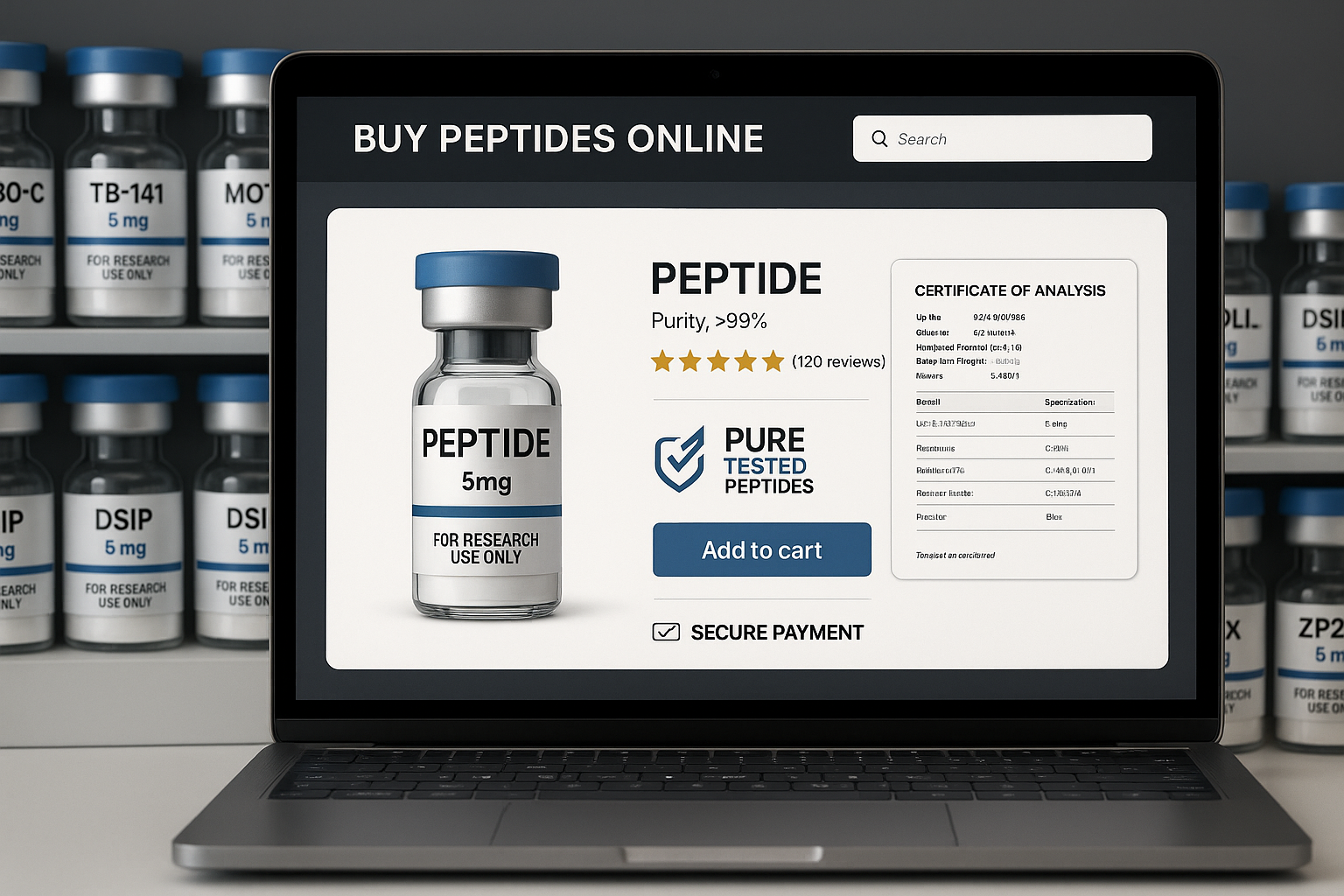
  • Secure Payment Options: Ensure the website uses secure payment gateways to protect your financial information.

Avoid websites that are poorly designed, contain numerous grammatical errors, lack detailed product information, or have suspicious pricing (either too low or excessively high without justification).

5. Legal and Ethical Compliance

Peptides for research are distinct from those approved for human therapeutic use. Reputable vendors will clearly state that their products are "for research use only" and not intended for human consumption, diagnosis, or treatment. They operate within the legal frameworks governing research chemicals. This disclaimer is crucial and should be present on their website and product labeling. Understanding the legal landscape for buy peptides online is essential for researchers.

Common Peptides and Their Research Applications
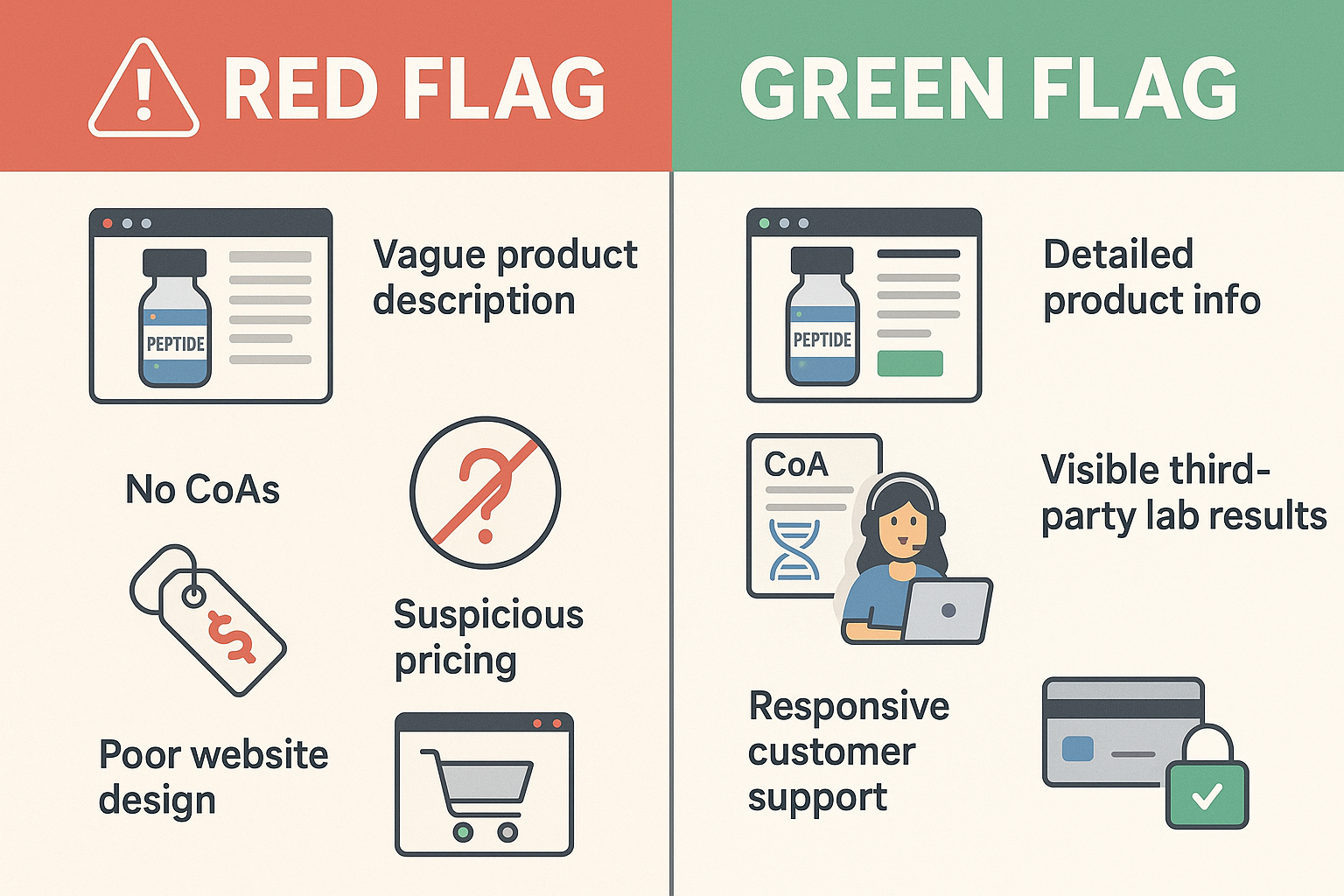
A split-screen visual comparing a 'red flag' scenario for buying peptides online (e.g., vague product descriptions, no CoAs, suspicious pric

To further aid in your decision-making when you buy peptides for sale, it's helpful to be familiar with some of the most commonly researched peptides and their typical applications. This knowledge can help you evaluate a vendor's catalog and ensure they offer the specific compounds you need for your studies.

BPC-157 (Body Protection Compound-157)

BPC-157 is a synthetically produced peptide chain that has garnered significant attention in research due to its potential regenerative and protective properties. Studies often investigate its role in:

  • Tissue Repair: Wound healing, tendon, ligament, and muscle regeneration.
  • Gastrointestinal Health: Protection against stomach lesions and ulcers, inflammatory bowel conditions.
  • Angiogenesis: Promoting the formation of new blood vessels.
  • Nervous System Recovery: Research into its neuroprotective effects and potential for nerve regeneration.

Researchers interested in these areas often look to purchase BPC-157 for their studies.

CJC-1295 and Ipamorelin

These two peptides are often studied in combination due to their synergistic effects on growth hormone release.

  • CJC-1295 (Growth Hormone Releasing Hormone Analog): This peptide is known for its ability to stimulate the pituitary gland to release growth hormone. There are two main forms: CJC-1295 with DAC (Drug Affinity Complex), which has a longer half-life, and CJC-1295 without DAC (also known as Mod GRF 1-29), which has a shorter half-life. Researchers often compare the efficacy of these variants in modulating growth hormone secretion. You can learn more about CJC-1295 with DAC and CJC-1295 without DAC.
  • Ipamorelin (Growth Hormone Releasing Peptide): Ipamorelin is a selective growth hormone secretagogue that mimics ghrelin, stimulating GH release without significantly increasing cortisol or prolactin levels.

The combination of CJC-1295 and Ipamorelin is frequently researched for its potential to optimize pulsatile growth hormone release, which can be relevant in studies involving metabolic function, muscle growth, and recovery. Further insights into their combined effects can be found by researching CJC-1295 plus Ipamorelin.

AOD-9604

AOD-9604 is a modified fragment of the human growth hormone (HGH) molecule, specifically the C-terminal region (amino acids 177-191). It is primarily investigated for its potential role in:

  • Fat Metabolism: Stimulating lipolysis (fat breakdown) and inhibiting lipogenesis (fat formation), without the adverse effects on blood sugar or insulin sensitivity often associated with full HGH.
  • Obesity Research: Its targeted action on fat metabolism makes it a subject of interest in studies related to weight management and metabolic disorders.

Researchers looking into metabolic health and obesity often seek to buy AOD-9604 for their studies.

Epithalon

Epithalon is a synthetic tetrapeptide (Ala-Glu-Asp-Gly) derived from a polypeptide complex extracted from the pineal gland. Its research applications often include:

  • Anti-Aging and Longevity: Studies explore its potential to regulate circadian rhythms, promote telomerase activity, and modulate pineal gland function.
  • Cellular Regeneration: Investigating its role in cellular repair and renewal processes.

Researchers focusing on anti-aging mechanisms and cellular health may be interested in Epithalon peptides for sale.

5-Amino-1MQ

5-Amino-1MQ is a research chemical that inhibits NNMT (nicotinamide N-methyltransferase), an enzyme involved in various metabolic processes. Research often focuses on its potential impact on:

  • Metabolic Syndrome: Studies exploring its role in fat metabolism, energy expenditure, and glucose regulation.
  • Weight Management: Investigating its ability to influence cellular metabolism in ways that could aid in weight management.

For those conducting advanced metabolic research, learning more about 5-Amino-1MQ peptides for sale is crucial.

This is just a small selection, but it highlights the diverse range of peptides available and the specific research questions they address. A reputable vendor will offer detailed information on each of these, assisting researchers in making informed choices.

The Purchasing Process: How to Buy Peptides for Sale Safely

Once you have identified a few reputable vendors, the actual purchasing process needs to be handled carefully. Here’s a step-by-step guide to ensure a smooth and secure transaction when you purchase peptides for sale online.

1. Account Creation and Verification

Most reputable peptide suppliers require you to create an account. This often involves providing your name, shipping address, and contact information. Some vendors might also require you to confirm that you are a legitimate researcher and that the peptides will be used strictly for research purposes. This is a good sign, as it indicates the vendor adheres to regulatory guidelines.

2. Product Selection and Cart Management

Browse the vendor's catalog carefully. Utilize the detailed product descriptions and available CoAs to select the exact peptides you need. Pay attention to:

  • Formulation: Peptides typically come as lyophilized (freeze-dried) powder, which requires reconstitution.
  • Quantity: Order appropriate quantities for your research needs to minimize waste and ensure freshness.
  • Pricing: Compare prices across reputable vendors, but be wary of prices that seem too good to be true, as they often indicate lower quality.

Add your selected peptides to your online cart. Many websites, like Pure Tested Peptides, offer a clear cart interface for review before checkout.

3. Reviewing Your Order

Before proceeding to payment, thoroughly review your order. Double-check:

  • Peptide Names and Quantities: Ensure accuracy to avoid receiving the wrong compounds.
  • Shipping Address: Verify your delivery address to prevent shipping delays or lost packages.
  • Total Cost: Confirm that the total price, including shipping and any applicable taxes, matches your expectations.

4. Payment Methods

Reputable vendors typically offer a variety of secure payment methods. Common options include:

  • Credit/Debit Cards: Encrypted processing is essential.
  • Cryptocurrency: Increasingly popular due to its anonymity and security.
  • Bank Transfers: For larger orders or institutional purchases.

Avoid vendors that only accept highly unconventional or untraceable payment methods, as this can be a sign of a less-than-legitimate operation.

5. Shipping and Delivery

Understand the vendor's shipping policies, especially regarding:

  • Shipping Speed: How long will it take for your order to arrive?
  • Shipping Costs: Are there different tiers of shipping based on speed or location?
  • International Shipping: If applicable, are there any customs restrictions or additional fees?
  • Packaging: Peptides should be shipped in secure, often insulated packaging, especially if they are temperature-sensitive. Some vendors may include cold packs, particularly for specific peptide types or during warmer months.

Upon receiving your order, inspect the packaging for any signs of tampering or damage. If the product appears compromised, document it immediately and contact the vendor's customer service.

6. Post-Purchase Support and Returns

A good vendor will offer reliable post-purchase support. If you have questions about reconstitution, storage, or encounter any issues with your order, their customer service should be responsive and helpful. Understand their return policy in case of damaged or incorrect shipments.

Proper Storage and Handling of Research Peptides
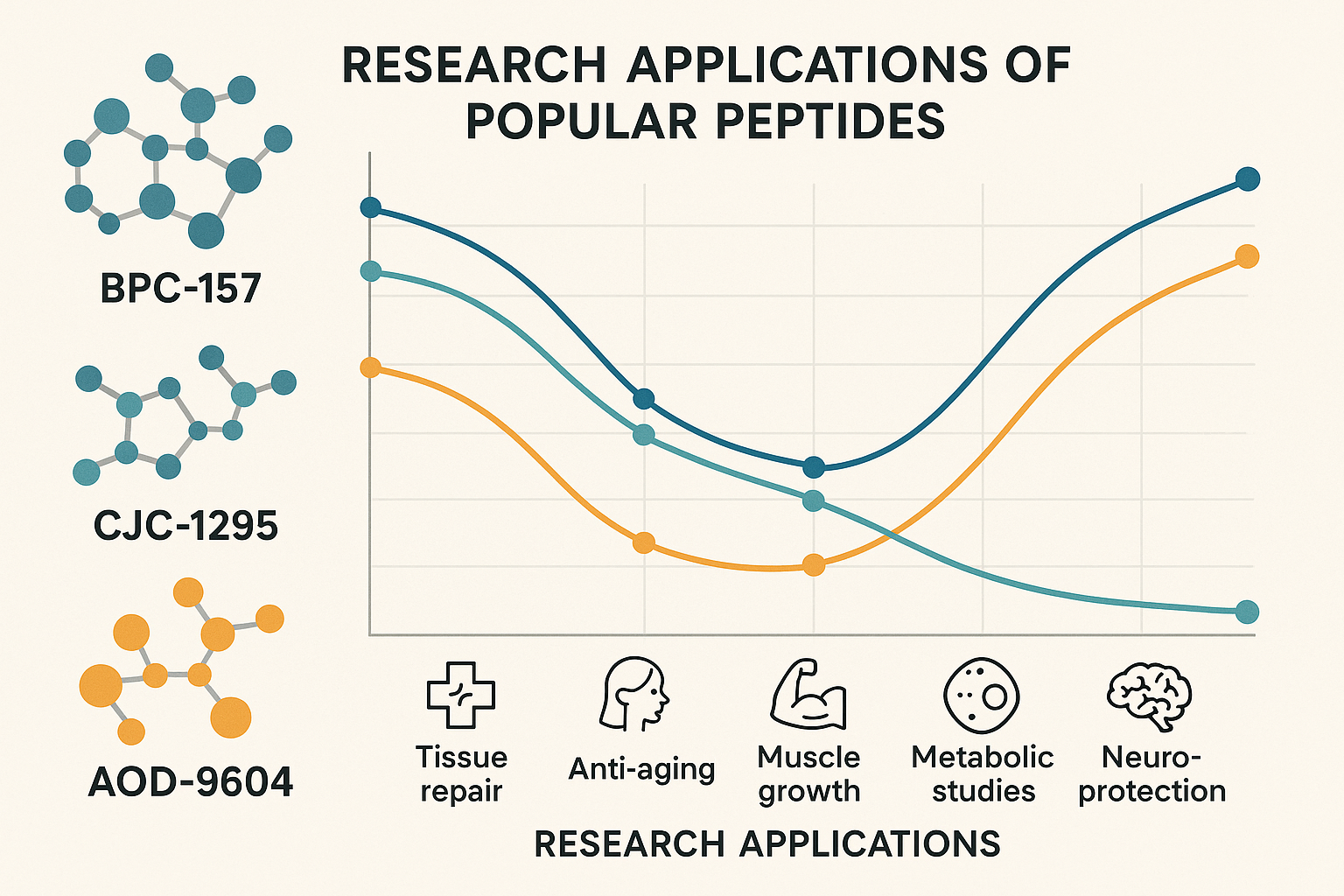
A dynamic chart visually representing the common research applications of popular peptides like BPC-157, CJC-1295, and AOD-9604, using a cle

Once you successfully buy peptides online, their efficacy in your research greatly depends on proper storage and handling. Peptides are delicate molecules susceptible to degradation from heat, light, moisture, and enzymatic activity.

Lyophilized Peptides (Powder Form)

Most research peptides are sold in lyophilized (freeze-dried) powder form, which makes them more stable for shipping and long-term storage.

  • Initial Storage: Upon receipt, store lyophilized peptides in a cool, dark, and dry place, preferably in a freezer (-20°C or colder) or refrigerator (2-8°C). Ensure the vials are tightly sealed.
  • Avoid Freeze-Thaw Cycles: Repeated freezing and thawing can degrade peptides. It's often recommended to aliquot (divide into smaller portions) the peptide once reconstituted if you don't plan to use the entire vial immediately.
  • Desiccants: Some vials may contain a desiccant packet to absorb moisture. Keep this intact if possible.

Reconstituted Peptides (Solution Form)

Once you reconstitute a lyophilized peptide with a solvent (typically sterile bacteriostatic water or acetic acid solution, depending on the peptide), its stability decreases.

  • Solvent Choice: Always follow the vendor's or literature's recommendations for the correct solvent. Using the wrong solvent can degrade the peptide or reduce its solubility.
  • Sterility: Use sterile equipment and aseptic techniques during reconstitution to prevent contamination.
  • Storage of Solutions: Reconstituted peptides should generally be stored in the refrigerator (2-8°C) for short-term use (days to weeks). For longer-term storage, aliquoting and freezing (-20°C or colder) is often recommended.
  • pH Stability: Be mindful of the pH stability of your specific peptide. Some peptides are more stable at certain pH ranges.

You can find more detailed guidance on best practices for storing research peptides to maximize their shelf life and efficacy.

General Handling Tips

  • Minimize Exposure: Limit exposure to air, light, and elevated temperatures.
  • Clean Environment: Always handle peptides in a clean, sterile environment to prevent contamination.
  • Labeling: Clearly label all vials with the peptide name, concentration, date of reconstitution, and storage conditions.
  • Safety: While peptides are generally considered safe for research handling, always follow standard laboratory safety protocols, including wearing gloves and eye protection.

Understanding the "Research Use Only" Distinction

It is paramount to reiterate the distinction between research-grade peptides and pharmaceutical-grade peptides. When you purchase peptides for sale online, they are almost exclusively labeled "for research use only." This means they are intended solely for in vitro (test tube) and in vivo (animal) scientific experimentation, and not for human consumption.

Legal and Ethical Implications

  • Regulatory Status: Research chemicals, including peptides, often do not undergo the rigorous testing and approval processes required for drugs intended for human use by regulatory bodies like the FDA in the USA, or the EMA in Europe.
  • Unproven Efficacy and Safety: Their efficacy and safety in humans are not established. Administering them to humans can carry unknown risks and is illegal in most jurisdictions.
  • Vendor Responsibility: Reputable vendors explicitly state this "research use only" disclaimer to comply with laws and to manage customer expectations. They are not selling supplements or medicines.
  • Researcher Responsibility: As a researcher, it is your responsibility to understand and abide by these regulations. Misusing research peptides can have severe legal consequences and ethical ramifications.

The growth of the research peptide market has unfortunately led to some individuals misinterpreting or deliberately ignoring this crucial distinction. This can put both the individual and the legitimate research chemical industry at risk. Therefore, when you buy peptides for sale, always remember their designated purpose.

The Future of Peptide Research in 2025 and Beyond

The field of peptide research is poised for continued explosive growth in 2025 and beyond. Advances in peptide synthesis, delivery systems, and understanding of peptide mechanisms of action are constantly opening new avenues for investigation.

  • Personalized Medicine: Peptides offer immense potential for highly specific therapies, paving the way for personalized medicine approaches.
  • Diagnostics: Peptides are being explored as diagnostic tools for various diseases.
  • Material Science: The unique properties of peptides are finding applications in material science and nanotechnology.
  • Bioinformatics and AI: The use of artificial intelligence and machine learning is accelerating the discovery and design of novel peptides.

For researchers involved in these cutting-edge fields, the ability to purchase peptides for sale online from reliable, high-quality sources will remain indispensable. As the complexity of research grows, so too will the need for vendors who can supply not only purity but also comprehensive data and support. Platforms that focus on verifiable quality, like Pure Tested Peptides, will continue to be vital partners in advancing scientific discovery.

Understanding the nuances of peptide research, from sourcing to application, is crucial for scientific integrity. Whether investigating adaptive capacity and peptide mapping or exploring the synergy of LL-37 and mots-c, access to premium research materials defines the pace and success of innovation.

Conclusion

The journey to purchase peptides for sale online is a critical step for any research endeavor. In 2025, with the proliferation of online suppliers, the emphasis on diligence, verification, and understanding the "research use only" caveat has never been more important. By prioritizing vendors who offer transparent third-party testing, maintain a strong reputation, and provide comprehensive product information, researchers can ensure the integrity and reliability of their studies.

Remember, the quality of your research output is directly linked to the quality of your input materials. Investing time in selecting a reputable source when you buy peptides online is not just good practice; it's a fundamental requirement for ethical and successful scientific exploration. As the exciting world of peptide research continues to unfold, partnering with trustworthy suppliers will empower scientists to push the boundaries of knowledge and unlock new possibilities for human health and understanding.

Actionable Next Steps

  1. Identify Your Peptide Needs: Clearly define which peptides are relevant to your research objectives.
  2. Research Vendors Thoroughly: Use the criteria outlined in this guide to create a shortlist of potential suppliers.
  3. Verify CoAs: Before making a purchase, demand and review the latest third-party Certificates of Analysis for your chosen peptides.
  4. Understand Storage & Handling: Familiarize yourself with the proper storage and reconstitution protocols for your selected peptides.
  5. Adhere to "Research Use Only": Always remember and respect the legal and ethical implications of using research-grade peptides.

By following these guidelines, researchers can confidently and responsibly buy peptides for sale online, ensuring their work contributes meaningfully to the advancement of science.

SEO Meta

Meta Title: Purchase Peptides for Sale Online in 2025: Expert Guide
Meta Description: Learn where to safely purchase peptides for sale online in 2025. This expert guide covers how to buy peptides for research, verify quality, and choose reputable vendors.
Best oral peptides

The Cutting Edge of Oral Peptides in 2025: Exploring BPC 157 Capsules, Tesofensine, and SLU-PP-332

The landscape of biomedical research is perpetually evolving, with peptides emerging as powerful tools in understanding and potentially modulating numerous physiological processes. In 2025, the spotlight continues to shine brightly on oral peptide formulations, which offer significant advantages in convenience and patient adherence compared to injectables. Among the most talked-about and promising compounds in this category are BPC 157 capsules, Tesofensine, and SLU-PP-332, each presenting unique research applications and therapeutic potentials. This comprehensive article delves into the science behind these intriguing molecules, exploring their mechanisms of action, current research findings, and future prospects within the scientific community.

Key Takeaways

  • Oral Peptides for Enhanced Research: Oral peptide formulations like BPC 157 capsules offer convenience and stability, making them increasingly relevant for research in 2025.
  • BPC-157’s Regenerative Potential: BPC-157 is widely studied for its remarkable regenerative and protective properties, particularly in gastrointestinal health, wound healing, and musculoskeletal repair.
  • Tesofensine for Metabolic Research: Tesofensine is an orally active peptide analog garnering significant attention for its potential role in weight management and metabolic regulation.
  • SLU-PP-332 as a SARM Alternative: SLU-PP-332 represents a novel approach to muscle growth and strength, acting as a selective androgen receptor degrader (SARD) rather than a SARM, with potential implications for anabolic research without typical androgenic side effects.
  • Safety and Efficacy in Research: While these peptides hold immense promise, ongoing rigorous research is crucial to fully understand their long-term safety, optimal dosing, and full spectrum of effects in diverse biological systems.

The Rise of Oral Peptide Research: A New Frontier in 2025

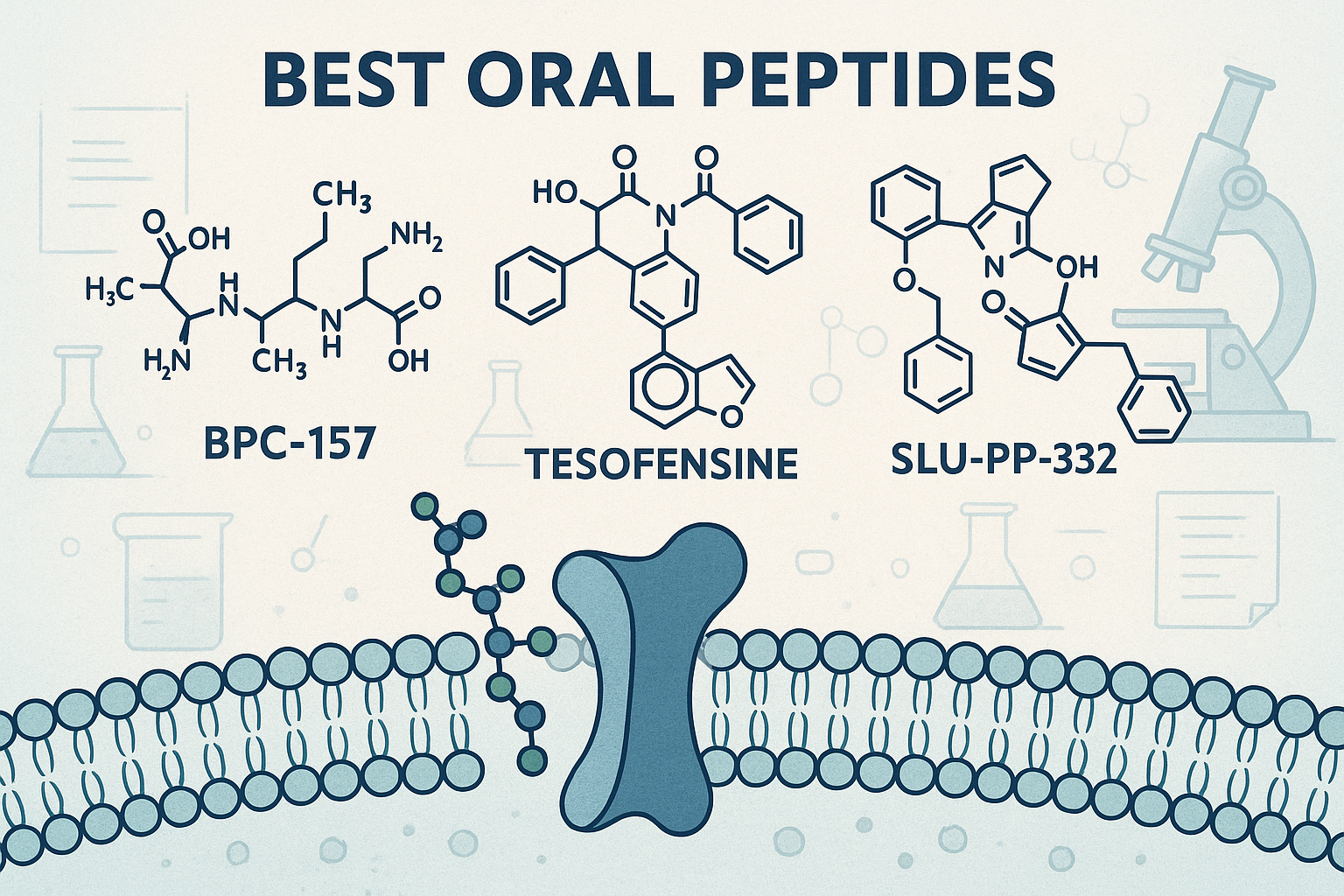
Scientific illustration depicting the molecular structure of various oral peptides including BPC-157, Tesofensine, and SLU-PP-332, with a fo

For decades, peptides have been recognized for their high specificity and potency in biological systems. However, their traditional parenteral administration (injections) has often limited their broader application in research settings and potential clinical translation. The scientific community’s persistent efforts to overcome these barriers have led to significant advancements in oral peptide delivery systems. The year 2025 marks a crucial point where the stability and bioavailability of oral peptides have improved dramatically, making compounds like BPC 157 capsules, Tesofensine, and SLU-PP-332 subjects of intense investigation.

Oral administration offers several compelling advantages:

  • Convenience: Eliminates the need for injections, improving ease of use in long-term studies.
  • Reduced invasiveness: Less discomfort and lower risk of injection-related complications.
  • Cost-effectiveness: Potentially lower manufacturing and administration costs compared to injectables.
  • Broader accessibility: Easier to distribute and manage in large-scale research projects.

The challenge with oral peptides has always been their susceptibility to degradation by digestive enzymes and poor absorption across the intestinal wall. However, innovative formulation strategies, including enteric coatings, permeation enhancers, and sophisticated encapsulation techniques, have begun to address these issues effectively.

Understanding Peptide Stability and Bioavailability

When evaluating “best oral peptides,” two critical factors come into play: stability and bioavailability.

  • Stability: Refers to the peptide’s ability to withstand degradation in the gastrointestinal tract (stomach acid, proteolytic enzymes) before it can be absorbed.
  • Bioavailability: Is the proportion of an administered peptide that reaches the systemic circulation unchanged and is available to exert its biological effects.

Researchers are constantly seeking to optimize these factors to maximize the efficacy of oral peptide formulations. The advancements seen in 2025 are a testament to the dedication in this field.

BPC 157 Capsules: A Regenerative Powerhouse

Body Protective Compound 157 (BPC-157) is a synthetic peptide composed of 15 amino acids, derived from a human gastric juice protein. It has gained significant attention in the research community for its remarkable regenerative and cytoprotective properties. While initially studied for its role in gastrointestinal health, research has expanded to include its effects on wound healing, musculoskeletal repair, and even neurological recovery. The development of BPC 157 capsules has made this promising peptide much more accessible for various research endeavors.

Mechanism of Action

BPC-157 is believed to exert its effects through multiple pathways:

  1. Angiogenesis: It promotes the formation of new blood vessels, which is crucial for tissue repair and regeneration. This effect is thought to be mediated through its interaction with growth factors like VEGF (Vascular Endothelial Growth Factor).
  2. Collagen Synthesis: BPC-157 has been shown to accelerate collagen production, a vital component of connective tissues, aiding in wound healing and tendon/ligament repair.
  3. Anti-inflammatory Effects: It demonstrates potent anti-inflammatory actions, which can reduce swelling and pain associated with injuries and various inflammatory conditions.
  4. Cytoprotection: BPC-157 protects cells from damage and promotes cell survival, particularly in stressed or injured tissues. This cytoprotective effect is observed across various organ systems.
  5. Growth Factor Modulation: It may interact with and modulate the activity of several growth factors and signaling pathways involved in tissue regeneration, such as the FGF (Fibroblast Growth Factor) system and nitric oxide synthesis.

Research Applications of BPC 157 Capsules

The research involving BPC 157 capsules is extensive and continues to expand in 2025:

  • Gastrointestinal Health: Its original area of study, BPC-157 has shown promise in models of inflammatory bowel disease (IBD), gastric ulcers, and leaky gut syndrome, potentially aiding in mucosal repair and reducing inflammation.
  • Musculoskeletal Injuries: Researchers are exploring its potential in accelerating the healing of tendons, ligaments, muscles, and bones. Studies have investigated its effects on rotator cuff injuries, Achilles tendon ruptures, and fractures. For more detailed research on its musculoskeletal applications, particularly regarding angiogenesis and tendon repair, consider exploring BPC-157 angiogenesis tendon research.
  • Wound Healing: Both internal and external wounds have shown improved healing rates in preclinical studies with BPC-157.
  • Neurological Applications: Emerging research suggests BPC-157 may have neuroprotective properties and could aid in recovery from brain injuries, spinal cord injuries, and even conditions like multiple sclerosis.
  • Pain Management: Its anti-inflammatory and regenerative properties contribute to its potential role in reducing pain associated with injuries and chronic conditions.

The oral formulation of BPC 157 capsules offers a stable and bioavailable method for delivering this peptide, making it a valuable tool for researchers studying its systemic effects. While injectables may offer higher immediate bioavailability, the convenience and sustained release potential of oral forms are highly advantageous for chronic study designs. Researchers interested in the efficacy of various delivery methods can find more information on BPC 157 nasal spray and capsules evidence.

“BPC-157 stands out not just for its regenerative capacity, but for its multi-faceted approach to healing, influencing angiogenesis, inflammation, and cellular survival simultaneously. The availability of BPC 157 capsules is a game-changer for accessibility in research.” – Leading Peptide Researcher (2025)

Tesofensine: Targeting Metabolic Regulation

Tesofensine is an orally active peptide analog that has garnered significant interest for its potential in weight management and metabolic research. Originally developed as a treatment for Parkinson’s disease, its powerful effects on appetite suppression and metabolism quickly shifted the focus of research. Tesofensine acts primarily as a triple monoamine reuptake inhibitor, affecting serotonin, noradrenaline, and dopamine levels in the brain. This mechanism is crucial for modulating appetite, satiety, and energy expenditure.

Mechanism of Action

Tesofensine’s primary mechanism involves the inhibition of reuptake of key neurotransmitters:

  1. Noradrenaline Reuptake Inhibition: Increases noradrenaline levels, which can boost metabolic rate and energy expenditure.
  2. Dopamine Reuptake Inhibition: Enhances dopamine signaling, potentially leading to increased motivation and reward, which can influence eating behaviors.
  3. Serotonin Reuptake Inhibition: Elevates serotonin levels, known to play a crucial role in satiety, mood regulation, and appetite control.

By modulating these neurotransmitters, Tesofensine helps to reduce hunger, increase feelings of fullness, and potentially increase resting energy expenditure, all contributing to weight loss.

Research Applications of Tesofensine

Research into Tesofensine is primarily focused on:

  • Obesity and Weight Management: Clinical trials have shown Tesofensine to be effective in promoting significant weight loss in individuals with obesity, often exceeding the effects seen with other pharmacological agents. Researchers are investigating its long-term efficacy and safety profile.
  • Metabolic Syndrome: Beyond just weight loss, researchers are examining Tesofensine’s potential to improve various metabolic markers associated with metabolic syndrome, such as blood glucose levels, lipid profiles, and insulin sensitivity.
  • Appetite Regulation: Detailed studies on its impact on hunger hormones, satiety signals, and overall eating behavior are ongoing to fully understand its comprehensive effects.
  • Neurocognitive Effects: Given its impact on monoamines, there is interest in its potential to influence cognitive function, alertness, and mood, although this is secondary to its metabolic research.

The oral bioavailability of Tesofensine makes it a highly attractive compound for researchers studying chronic conditions like obesity, where long-term administration is often required. Its distinct mechanism of action, compared to other weight loss drugs, positions it as a promising candidate for further exploration in 2025.

Tesofensine vs. Other Weight Management Peptides

While other peptides like GLP-1 agonists (e.g., Semaglutide, TIRZ) are also highly effective for weight loss, Tesofensine offers a different pharmacological approach. GLP-1 agonists primarily work by enhancing insulin secretion, suppressing glucagon, and slowing gastric emptying. Tesofensine, by contrast, acts centrally on neurotransmitters to modulate appetite and metabolism. This difference in mechanism means Tesofensine could potentially be used alone or in combination with other agents to achieve greater effects or target specific aspects of metabolic dysfunction. For a broader perspective on various peptides and their research applications, one can explore the comprehensive peptide catalog.

SLU-PP-332: A Novel Approach to Muscle Growth and Strength

SLU-PP-332 is a relatively new and exciting compound in peptide research, particularly for its unique mechanism of action in promoting muscle growth and strength. Unlike traditional selective androgen receptor modulators (SARMs) that agonize androgen receptors, SLU-PP-332 acts as a selective androgen receptor degrader (SARD). This distinction is crucial and sets it apart in the quest for anabolic agents with fewer side effects.

Understanding SARMs vs. SARDs

  • SARMs (Selective Androgen Receptor Modulators): These compounds bind to androgen receptors (ARs) in specific tissues (like muscle and bone) and activate them, leading to anabolic effects similar to testosterone but with reduced activity in other tissues (like prostate). The goal is to maximize muscle growth while minimizing androgenic side effects such as prostate enlargement or HR loss.
  • SARDs (Selective Androgen Receptor Degraders): SLU-PP-332 falls into this category. Instead of activating the androgen receptor, it causes the receptor to be degraded and removed from the cell. This might seem counterintuitive for muscle growth, but the current understanding is that SLU-PP-332 specifically targets the androgen receptor that is ligand-bound (i.e., bound to testosterone or other androgens) for degradation, effectively reducing the overall signaling of the androgen receptor, but in a way that might lead to a compensatory increase in muscle-building pathways, or perhaps acts through non-classical androgen receptor pathways. Early research suggests it might be acting through other mechanisms, perhaps involving the growth hormone or IGF-1 axis, or other yet-to-be-identified pathways, to promote anabolism. More recent research indicates it primarily acts as a direct PPARδ agonist, similar to compounds like GW-501516 (Cardarine). This means it directly activates Peroxisome Proliferator-Activated Receptor Delta, a nuclear receptor involved in fatty acid oxidation, glucose uptake, and muscle fiber type switching towards more oxidative (endurance-focused) fibers. This would explain its observed effects on muscle endurance and fat metabolism rather than direct androgenic effects. The classification as a SARD might have been an initial hypothesis that has since evolved with deeper mechanistic understanding.

Mechanism of Action (Revisited: PPARδ Agonist)

Based on current, evolving research, the primary mechanism of SLU-PP-332 is now understood to be:

  1. PPARδ Agonism: SLU-PP-332 strongly binds to and activates the PPARδ receptor. Activation of PPARδ leads to:
    • Increased Fatty Acid Oxidation: Promotes the burning of fat for energy, potentially leading to reduced body fat.
    • Enhanced Glucose Uptake: Improves insulin sensitivity and glucose utilization in skeletal muscle.
    • Muscle Fiber Type Switching: Encourages the development of oxidative (Type I) muscle fibers, improving endurance and resistance to fatigue.
    • Mitochondrial Biogenesis: Increases the number and function of mitochondria, the “powerhouses” of the cells, further boosting energy production and endurance.

This mechanism suggests that SLU-PP-332 would be particularly beneficial for improving endurance, body composition (fat loss with muscle preservation), and potentially athletic performance, rather than purely mass-building anabolic effects traditionally associated with androgens.

Research Applications of SLU-PP-332

The research community is investigating SLU-PP-332 for:

  • Muscle Endurance and Performance: Its role as a PPARδ agonist strongly positions it for studies aimed at improving exercise capacity, stamina, and overall physical performance in preclinical models.
  • Body Composition Enhancement: By promoting fat oxidation and potentially preserving muscle mass, it is being studied for its effects on reducing body fat and improving lean muscle-to-fat ratio.
  • Metabolic Health: Similar to Tesofensine, its influence on fatty acid metabolism and glucose uptake makes it a candidate for research into metabolic disorders like obesity and type 2 diabetes.
  • Novel Anabolic Pathways: While not directly androgenic, its ability to promote muscle growth and strength through a distinct PPARδ pathway offers a potentially safer alternative for anabolic research compared to classical androgens or even SARMs.

The development of oral formulations for SLU-PP-332 (often referred to as ATX-304, which is related to the SLU-PP-332 chemical series) represents a significant step forward in making this class of compounds more accessible for research. For those interested in the synergy of related compounds, exploring ATX-304 SLU-PP-332 synergy can provide further insights. In 2025, SLU-PP-332 stands as an exciting example of targeted pharmacology, moving beyond traditional hormone manipulation to achieve desired physiological outcomes.

Comparative Analysis of BPC 157 Capsules, Tesofensine, and SLU-PP-332

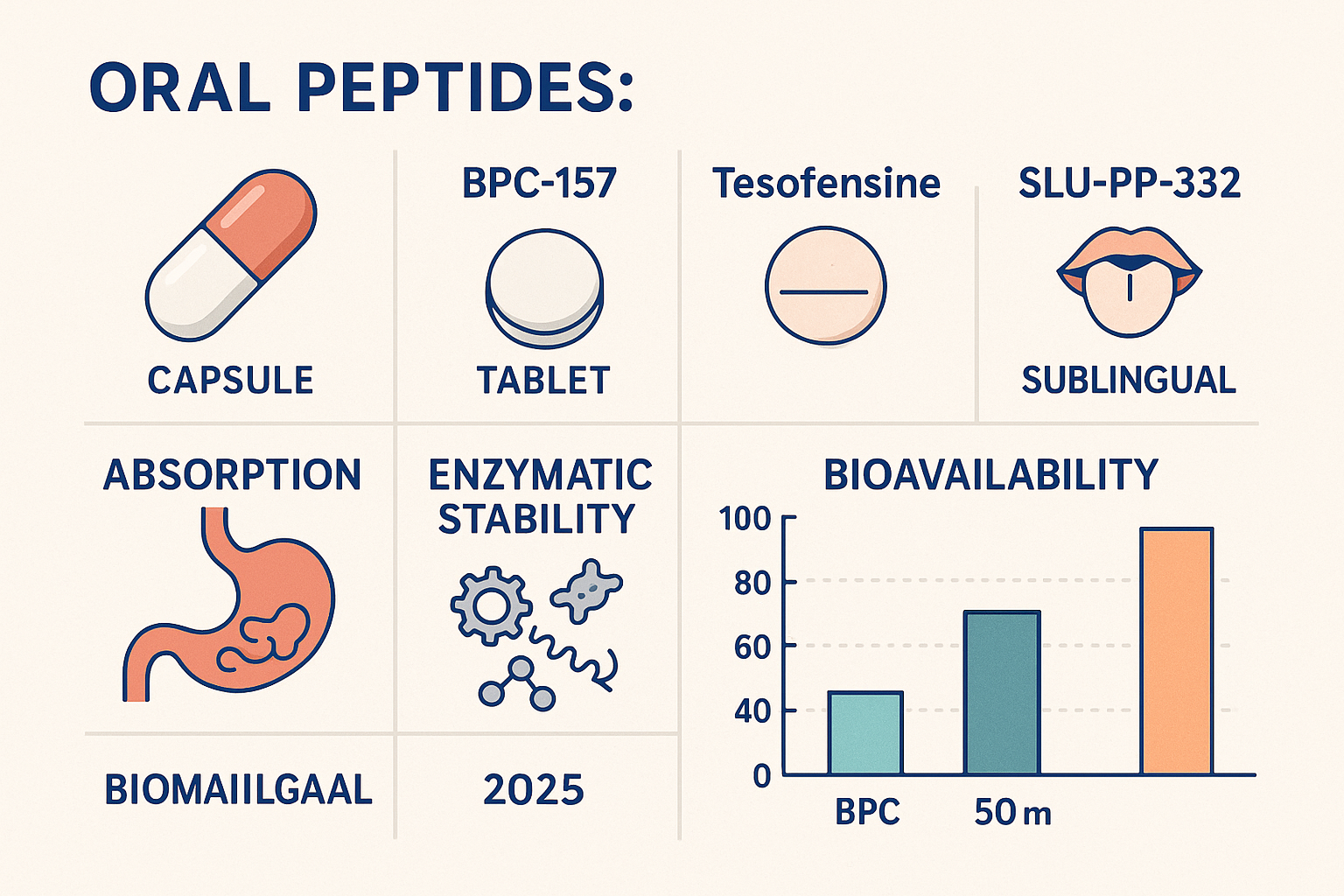
An infographic comparing the delivery mechanisms and bioavailability of different oral peptides, specifically contrasting BPC-157 capsules,

While BPC 157 capsules, Tesofensine, and SLU-PP-332 are all notable oral peptides (or peptide-like compounds in the case of SLU-PP-332, often grouped with peptides due to similar research interests and administration methods), they serve distinct research purposes. A comparative overview highlights their unique strengths:

Feature BPC 157 Capsules Tesofensine SLU-PP-332 (PPARδ Agonist)
Primary Focus Tissue regeneration, anti-inflammatory, cytoprotection Weight management, appetite suppression, metabolism Muscle endurance, fat oxidation, metabolic health, strength
Mechanism of Action Angiogenesis, collagen synthesis, growth factor modulation, anti-inflammatory Triple monoamine reuptake inhibitor PPARδ agonist, enhances fatty acid oxidation, mitochondrial biogenesis
Key Benefits (Research) Accelerated healing (tendons, ligaments, GI tract), neuroprotection, reduced inflammation Significant weight loss, improved metabolic markers Increased endurance, body composition improvement, potential anabolic effects without androgenic side effects
Oral Delivery Excellent stability and bioavailability in capsule form Excellent oral bioavailability Excellent oral bioavailability (typically in liquid or capsule)
Research Stage (2025) Extensive preclinical, growing human observational/early clinical Multiple human clinical trials, strong efficacy data Early preclinical to advanced preclinical, emerging human research
Target Audience (Research) Sports medicine, gastroenterology, neurology, regenerative medicine Endocrinology, obesity research, metabolic disease Sports science, endocrinology, metabolic research, anti-aging

This table underscores that while all three compounds are orally active and highly promising, their specific applications and mechanisms make them distinct tools in the researcher’s arsenal for 2025.

Synergy and Blends in Research

The scientific community is also exploring the potential for synergistic effects when combining different peptides. For instance, while BPC 157 capsules are excellent for repair, combining them with other growth factors or peptides targeting different aspects of tissue regeneration might yield enhanced outcomes. Similarly, combining Tesofensine with other metabolic modulators, or SLU-PP-332 with compounds that affect different anabolic pathways, could open new avenues for research into complex conditions. Researchers often look into peptide blends research to explore such synergies.

Considerations for Research with Oral Peptides

When working with oral peptides such as BPC 157 capsules, Tesofensine, and SLU-PP-332, several critical factors must be carefully considered by researchers:

Purity and Quality

The integrity of research findings hinges on the purity and quality of the peptides used. Researchers must source their peptides from reputable suppliers who provide:

  • Third-party testing: Independent laboratory verification of purity (typically >98%) and identity.
  • Certificates of Analysis (CoAs): Documentation confirming the peptide’s composition and absence of contaminants.
  • Good Manufacturing Practices (GMP): Assurance that the peptides are produced under stringent quality control standards.

Compromised purity can lead to inconsistent results, confounding variables, and potentially inaccurate conclusions. For information on ensuring quality, refer to resources on best practices for storing research peptides.

Dosing and Administration

Determining the appropriate dosage and administration protocol for oral peptides is crucial.

  • Bioavailability: The oral bioavailability of a peptide dictates how much of the administered dose actually reaches systemic circulation. This can vary between different peptides and even different formulations (e.g., liquid solution vs. BPC 157 capsules).
  • Half-life: The time it takes for half of the peptide to be eliminated from the body influences dosing frequency.
  • Target tissue: The desired physiological effect and the target tissue or organ system will influence the required concentration and, consequently, the dosage.
  • Species-specific differences: Dosing in animal models may not directly translate to human studies.

Careful titration and adherence to established research protocols are essential.

Legal and Ethical Landscape in 2025

The legal status of peptides for research purposes can be complex and varies by region. In 2025, it is imperative for researchers to:

  • Understand regulatory guidelines: Ensure compliance with local, national, and international regulations regarding the acquisition, use, and disposal of research peptides.
  • Distinguish “research use only” from approved therapeutics: Most of these peptides are strictly for research and not approved for human consumption or therapeutic use outside of clinical trials. Mislabeling or inappropriate marketing can have severe consequences.
  • Ethical considerations: Any research involving living organisms must adhere to strict ethical guidelines, including proper institutional review board (IRB) approval and informed consent where applicable.

Reputable suppliers like Pure Tested Peptides provide peptides strictly for research and laboratory use, emphasizing responsible scientific inquiry. Understanding the frequently asked questions for research teams ordering peptides online can be very helpful.

Potential Side Effects and Safety Research

While peptides are generally considered to have a favorable safety profile compared to small-molecule drugs, comprehensive safety research is still ongoing, especially for newer compounds like SLU-PP-332.

  • BPC 157 capsules: Preclinical studies generally show good tolerability, with few reported adverse effects. However, long-term human safety data is still accumulating.
  • Tesofensine: Clinical trials have reported some side effects, including dry mouth, insomnia, headache, and increased heart rate/blood pressure. These are often dose-dependent and related to its central nervous system effects.
  • SLU-PP-332: As a newer compound, detailed human safety data is limited. Preclinical research is focused on identifying any potential off-target effects or long-term adverse events associated with PPARδ agonism or any other unknown mechanisms.

Researchers must remain vigilant, report any observed adverse effects, and contribute to the growing body of knowledge regarding the safety of these compounds.

The Future of Oral Peptides in 2025 and Beyond

The trajectory for oral peptides in 2025 is one of continued innovation and expanded research. The advancements in formulation science are paving the way for more peptides, previously confined to injectable forms, to become orally bioavailable. This trend will undoubtedly democratize peptide research, allowing a wider range of scientists to explore their potential without the complexities of parenteral administration.

Personalization and Precision Research

As our understanding of genetics and individual physiological responses grows, future research with oral peptides will likely move towards more personalized approaches. Identifying specific biomarkers that predict response to BPC 157 capsules for healing, Tesofensine for weight loss, or SLU-PP-332 for performance enhancement could revolutionize how these compounds are studied and eventually applied. This precision research will aim to maximize efficacy while minimizing variability in outcomes.

Integration with Other Technologies

The integration of oral peptide research with other cutting-edge technologies, such as advanced imaging techniques, ‘omics’ technologies (genomics, proteomics, metabolomics), and artificial intelligence, will unlock deeper insights into their mechanisms of action and broader physiological impact. For example, AI could be used to predict optimal peptide structures for oral delivery or identify novel peptide sequences with desired biological activities.

Global Collaboration

International collaboration among research institutions will be paramount to accelerate the pace of discovery. Sharing data, methodologies, and insights across borders will help to validate findings, identify new applications, and collectively address the complex challenges associated with bringing novel oral peptides from the lab bench to broader research utility. The collaborative spirit found in building diverse peptide libraries is key to this progress.

The journey of oral peptides from initial discovery to widespread research tools is a testament to scientific perseverance. BPC 157 capsules, Tesofensine, and SLU-PP-332 stand as prime examples of what is possible, representing distinct yet equally exciting avenues for exploration in 2025. Their continued study promises to enhance our understanding of human biology and potentially lead to breakthroughs in regenerative medicine, metabolic health, and performance science.


Conclusion

The realm of oral peptides is a vibrant and rapidly expanding field, offering researchers unprecedented access to molecules with profound biological activities. In 2025, BPC 157 capsules, Tesofensine, and SLU-PP-332 exemplify the cutting edge of this scientific frontier. BPC-157 continues to impress with its broad regenerative and cytoprotective capabilities, making it a cornerstone for research into healing and tissue repair. Tesofensine presents a powerful tool for understanding and addressing metabolic disorders, particularly obesity, through its unique neurochemical modulation. SLU-PP-332, as a PPARδ agonist, opens new avenues for exploring muscle endurance, fat metabolism, and anabolic pathways without the complexities of traditional androgenic compounds.

The shift towards stable and bioavailable oral formulations significantly enhances the practicality and accessibility of these peptides for research purposes. However, it is crucial for scientists to prioritize high-quality sourcing, rigorous experimental design, and adherence to ethical and regulatory guidelines. The ongoing dedication to understanding their mechanisms, optimizing their use, and meticulously assessing their safety profiles will continue to drive innovation in this field. As we move further into 2025 and beyond, these best oral peptides—BPC 157 capsules, Tesofensine, and SLU-PP-332—are poised to be at the forefront of numerous scientific discoveries, reshaping our understanding of health, healing, and human potential.

Actionable Next Steps for Researchers:

  1. Stay Informed: Continuously review the latest peer-reviewed literature and conference proceedings related to BPC 157 capsules, Tesofensine, SLU-PP-332, and other emerging oral peptides.
  2. Verify Sourcing: Always procure research peptides from reputable suppliers who provide verifiable third-party testing and Certificates of Analysis to ensure purity and quality.
  3. Design Rigorous Studies: Develop well-controlled experimental designs, considering dosage, administration routes, and appropriate controls to generate reliable and reproducible data.
  4. Collaborate and Share: Engage with the broader scientific community through collaborations, data sharing, and participation in forums to accelerate collective understanding and progress.
  5. Adhere to Ethics and Regulations: Strictly comply with all ethical guidelines and regulatory requirements for research involving peptides, ensuring responsible and legal scientific inquiry.


🚀 Oral Peptide Explorer (2025) 🚀

Select a peptide below to learn more about its primary focus, mechanism of action, and key research benefits in 2025. Explore BPC 157 capsules, Tesofensine, and SLU-PP-332 at a glance!

BPC 157 Capsules

Primary Focus: Tissue regeneration, anti-inflammatory, cytoprotection.
Mechanism of Action: Promotes angiogenesis, accelerates collagen synthesis, modulates growth factors (e.g., VEGF, FGF), and exhibits potent anti-inflammatory effects. Protects cells from damage and enhances survival.

Key Research Benefits:

  • Accelerated healing of tendons, ligaments, muscles, and bones.
  • Improved gastrointestinal health (ulcers, IBD, leaky gut).
  • Neuroprotective properties and potential aid in neurological recovery.
  • Significant reduction in inflammation and pain.

Tesofensine

Primary Focus: Weight management, appetite suppression, metabolic regulation.
Mechanism of Action: Acts as a triple monoamine reuptake inhibitor, increasing levels of noradrenaline, dopamine, and serotonin in the brain. This modulates appetite, enhances satiety, and may boost metabolic rate.

Key Research Benefits:

  • Promotes significant weight loss in individuals with obesity.
  • Reduces hunger and increases feelings of fullness.
  • Potential to improve various metabolic markers (e.g., blood glucose, lipids).
  • Different mechanism compared to GLP-1 agonists, offering alternative research avenues.

SLU-PP-332

Primary Focus: Muscle endurance, fat oxidation, metabolic health, strength.
Mechanism of Action: Primarily acts as a highly selective PPARδ (Peroxisome Proliferator-Activated Receptor Delta) agonist. This leads to increased fatty acid oxidation, enhanced mitochondrial biogenesis, and improved glucose uptake.

Key Research Benefits:

  • Significant improvements in muscle endurance and exercise capacity.
  • Promotes fat loss and favorable changes in body composition.
  • Potential benefits for metabolic disorders like type 2 diabetes.
  • Offers anabolic-like effects through a non-androgenic pathway.


SEO Meta Title: Best Oral Peptides 2025: BPC 157 Capsules, Tesofensine & SLU-PP-332
SEO Meta Description: Explore the top oral peptides for research in 2025: BPC 157 capsules for healing, Tesofensine for weight loss, and SLU-PP-332 for muscle endurance. Dive into their mechanisms & benefits.

Best oral peptides

The Cutting Edge of Oral Peptides in 2025: Exploring BPC 157 Capsules, Tesofensine, and SLU-PP-332

The landscape of biomedical research is perpetually evolving, with peptides emerging as powerful tools in understanding and potentially modulating numerous physiological processes. In 2025, the spotlight continues to shine brightly on oral peptide formulations, which offer significant advantages in convenience and patient adherence compared to injectables. Among the most talked-about and promising compounds in this category are BPC 157 capsules, Tesofensine, and SLU-PP-332, each presenting unique research applications and therapeutic potentials. This comprehensive article delves into the science behind these intriguing molecules, exploring their mechanisms of action, current research findings, and future prospects within the scientific community.

Key Takeaways

  • Oral Peptides for Enhanced Research: Oral peptide formulations like BPC 157 capsules offer convenience and stability, making them increasingly relevant for research in 2025.
  • BPC-157's Regenerative Potential: BPC-157 is widely studied for its remarkable regenerative and protective properties, particularly in gastrointestinal health, wound healing, and musculoskeletal repair.
  • Tesofensine for Metabolic Research: Tesofensine is an orally active peptide analog garnering significant attention for its potential role in weight management and metabolic regulation.
  • SLU-PP-332 as a SARM Alternative: SLU-PP-332 represents a novel approach to muscle growth and strength, acting as a selective androgen receptor degrader (SARD) rather than a SARM, with potential implications for anabolic research without typical androgenic side effects.
  • Safety and Efficacy in Research: While these peptides hold immense promise, ongoing rigorous research is crucial to fully understand their long-term safety, optimal dosing, and full spectrum of effects in diverse biological systems.

The Rise of Oral Peptide Research: A New Frontier in 2025

Section Image

For decades, peptides have been recognized for their high specificity and potency in biological systems. However, their traditional parenteral administration (injections) has often limited their broader application in research settings and potential clinical translation. The scientific community's persistent efforts to overcome these barriers have led to significant advancements in oral peptide delivery systems. The year 2025 marks a crucial point where the stability and bioavailability of oral peptides have improved dramatically, making compounds like BPC 157 capsules, Tesofensine, and SLU-PP-332 subjects of intense investigation.

Oral administration offers several compelling advantages:

  • Convenience: Eliminates the need for injections, improving ease of use in long-term studies.
  • Reduced invasiveness: Less discomfort and lower risk of injection-related complications.
  • Cost-effectiveness: Potentially lower manufacturing and administration costs compared to injectables.
  • Broader accessibility: Easier to distribute and manage in large-scale research projects.

The challenge with oral peptides has always been their susceptibility to degradation by digestive enzymes and poor absorption across the intestinal wall. However, innovative formulation strategies, including enteric coatings, permeation enhancers, and sophisticated encapsulation techniques, have begun to address these issues effectively.

Understanding Peptide Stability and Bioavailability

When evaluating "best oral peptides," two critical factors come into play: stability and bioavailability.

  • Stability: Refers to the peptide's ability to withstand degradation in the gastrointestinal tract (stomach acid, proteolytic enzymes) before it can be absorbed.
  • Bioavailability: Is the proportion of an administered peptide that reaches the systemic circulation unchanged and is available to exert its biological effects.

Researchers are constantly seeking to optimize these factors to maximize the efficacy of oral peptide formulations. The advancements seen in 2025 are a testament to the dedication in this field.

BPC 157 Capsules: A Regenerative Powerhouse

Body Protective Compound 157 (BPC-157) is a synthetic peptide composed of 15 amino acids, derived from a human gastric juice protein. It has gained significant attention in the research community for its remarkable regenerative and cytoprotective properties. While initially studied for its role in gastrointestinal health, research has expanded to include its effects on wound healing, musculoskeletal repair, and even neurological recovery. The development of BPC 157 capsules has made this promising peptide much more accessible for various research endeavors.

Mechanism of Action

BPC-157 is believed to exert its effects through multiple pathways:

  1. Angiogenesis: It promotes the formation of new blood vessels, which is crucial for tissue repair and regeneration. This effect is thought to be mediated through its interaction with growth factors like VEGF (Vascular Endothelial Growth Factor).
  2. Collagen Synthesis: BPC-157 has been shown to accelerate collagen production, a vital component of connective tissues, aiding in wound healing and tendon/ligament repair.
  3. Anti-inflammatory Effects: It demonstrates potent anti-inflammatory actions, which can reduce swelling and pain associated with injuries and various inflammatory conditions.
  4. Cytoprotection: BPC-157 protects cells from damage and promotes cell survival, particularly in stressed or injured tissues. This cytoprotective effect is observed across various organ systems.
  5. Growth Factor Modulation: It may interact with and modulate the activity of several growth factors and signaling pathways involved in tissue regeneration, such as the FGF (Fibroblast Growth Factor) system and nitric oxide synthesis.

Research Applications of BPC 157 Capsules

The research involving BPC 157 capsules is extensive and continues to expand in 2025:

  • Gastrointestinal Health: Its original area of study, BPC-157 has shown promise in models of inflammatory bowel disease (IBD), gastric ulcers, and leaky gut syndrome, potentially aiding in mucosal repair and reducing inflammation.
  • Musculoskeletal Injuries: Researchers are exploring its potential in accelerating the healing of tendons, ligaments, muscles, and bones. Studies have investigated its effects on rotator cuff injuries, Achilles tendon ruptures, and fractures. For more detailed research on its musculoskeletal applications, particularly regarding angiogenesis and tendon repair, consider exploring BPC-157 angiogenesis tendon research.
  • Wound Healing: Both internal and external wounds have shown improved healing rates in preclinical studies with BPC-157.
  • Neurological Applications: Emerging research suggests BPC-157 may have neuroprotective properties and could aid in recovery from brain injuries, spinal cord injuries, and even conditions like multiple sclerosis.
  • Pain Management: Its anti-inflammatory and regenerative properties contribute to its potential role in reducing pain associated with injuries and chronic conditions.

The oral formulation of BPC 157 capsules offers a stable and bioavailable method for delivering this peptide, making it a valuable tool for researchers studying its systemic effects. While injectables may offer higher immediate bioavailability, the convenience and sustained release potential of oral forms are highly advantageous for chronic study designs. Researchers interested in the efficacy of various delivery methods can find more information on BPC 157 nasal spray and capsules evidence.

"BPC-157 stands out not just for its regenerative capacity, but for its multi-faceted approach to healing, influencing angiogenesis, inflammation, and cellular survival simultaneously. The availability of BPC 157 capsules is a game-changer for accessibility in research." – Leading Peptide Researcher (2025)

Tesofensine: Targeting Metabolic Regulation

Tesofensine is an orally active peptide analog that has garnered significant interest for its potential in weight management and metabolic research. Originally developed as a treatment for Parkinson's disease, its powerful effects on appetite suppression and metabolism quickly shifted the focus of research. Tesofensine acts primarily as a triple monoamine reuptake inhibitor, affecting serotonin, noradrenaline, and dopamine levels in the brain. This mechanism is crucial for modulating appetite, satiety, and energy expenditure.

Mechanism of Action

Tesofensine's primary mechanism involves the inhibition of reuptake of key neurotransmitters:

  1. Noradrenaline Reuptake Inhibition: Increases noradrenaline levels, which can boost metabolic rate and energy expenditure.
  2. Dopamine Reuptake Inhibition: Enhances dopamine signaling, potentially leading to increased motivation and reward, which can influence eating behaviors.
  3. Serotonin Reuptake Inhibition: Elevates serotonin levels, known to play a crucial role in satiety, mood regulation, and appetite control.

By modulating these neurotransmitters, Tesofensine helps to reduce hunger, increase feelings of fullness, and potentially increase resting energy expenditure, all contributing to weight loss.

Research Applications of Tesofensine

Research into Tesofensine is primarily focused on:

  • Obesity and Weight Management: Clinical trials have shown Tesofensine to be effective in promoting significant weight loss in individuals with obesity, often exceeding the effects seen with other pharmacological agents. Researchers are investigating its long-term efficacy and safety profile.
  • Metabolic Syndrome: Beyond just weight loss, researchers are examining Tesofensine's potential to improve various metabolic markers associated with metabolic syndrome, such as blood glucose levels, lipid profiles, and insulin sensitivity.
  • Appetite Regulation: Detailed studies on its impact on hunger hormones, satiety signals, and overall eating behavior are ongoing to fully understand its comprehensive effects.
  • Neurocognitive Effects: Given its impact on monoamines, there is interest in its potential to influence cognitive function, alertness, and mood, although this is secondary to its metabolic research.

The oral bioavailability of Tesofensine makes it a highly attractive compound for researchers studying chronic conditions like obesity, where long-term administration is often required. Its distinct mechanism of action, compared to other weight loss drugs, positions it as a promising candidate for further exploration in 2025.

Tesofensine vs. Other Weight Management Peptides

While other peptides like GLP-1 agonists (e.g., Semaglutide, TIRZ) are also highly effective for weight loss, Tesofensine offers a different pharmacological approach. GLP-1 agonists primarily work by enhancing insulin secretion, suppressing glucagon, and slowing gastric emptying. Tesofensine, by contrast, acts centrally on neurotransmitters to modulate appetite and metabolism. This difference in mechanism means Tesofensine could potentially be used alone or in combination with other agents to achieve greater effects or target specific aspects of metabolic dysfunction. For a broader perspective on various peptides and their research applications, one can explore the comprehensive peptide catalog.

SLU-PP-332: A Novel Approach to Muscle Growth and Strength

SLU-PP-332 is a relatively new and exciting compound in peptide research, particularly for its unique mechanism of action in promoting muscle growth and strength. Unlike traditional selective androgen receptor modulators (SARMs) that agonize androgen receptors, SLU-PP-332 acts as a selective androgen receptor degrader (SARD). This distinction is crucial and sets it apart in the quest for anabolic agents with fewer side effects.

Understanding SARMs vs. SARDs

  • SARMs (Selective Androgen Receptor Modulators): These compounds bind to androgen receptors (ARs) in specific tissues (like muscle and bone) and activate them, leading to anabolic effects similar to testosterone but with reduced activity in other tissues (like prostate). The goal is to maximize muscle growth while minimizing androgenic side effects such as prostate enlargement or HR loss.
  • SARDs (Selective Androgen Receptor Degraders): SLU-PP-332 falls into this category. Instead of activating the androgen receptor, it causes the receptor to be degraded and removed from the cell. This might seem counterintuitive for muscle growth, but the current understanding is that SLU-PP-332 specifically targets the androgen receptor that is ligand-bound (i.e., bound to testosterone or other androgens) for degradation, effectively reducing the overall signaling of the androgen receptor, but in a way that might lead to a compensatory increase in muscle-building pathways, or perhaps acts through non-classical androgen receptor pathways. Early research suggests it might be acting through other mechanisms, perhaps involving the growth hormone or IGF-1 axis, or other yet-to-be-identified pathways, to promote anabolism. More recent research indicates it primarily acts as a direct PPARδ agonist, similar to compounds like GW-501516 (Cardarine). This means it directly activates Peroxisome Proliferator-Activated Receptor Delta, a nuclear receptor involved in fatty acid oxidation, glucose uptake, and muscle fiber type switching towards more oxidative (endurance-focused) fibers. This would explain its observed effects on muscle endurance and fat metabolism rather than direct androgenic effects. The classification as a SARD might have been an initial hypothesis that has since evolved with deeper mechanistic understanding.

Mechanism of Action (Revisited: PPARδ Agonist)

Based on current, evolving research, the primary mechanism of SLU-PP-332 is now understood to be:

  1. PPARδ Agonism: SLU-PP-332 strongly binds to and activates the PPARδ receptor. Activation of PPARδ leads to:
    • Increased Fatty Acid Oxidation: Promotes the burning of fat for energy, potentially leading to reduced body fat.
    • Enhanced Glucose Uptake: Improves insulin sensitivity and glucose utilization in skeletal muscle.
    • Muscle Fiber Type Switching: Encourages the development of oxidative (Type I) muscle fibers, improving endurance and resistance to fatigue.
    • Mitochondrial Biogenesis: Increases the number and function of mitochondria, the "powerhouses" of the cells, further boosting energy production and endurance.

This mechanism suggests that SLU-PP-332 would be particularly beneficial for improving endurance, body composition (fat loss with muscle preservation), and potentially athletic performance, rather than purely mass-building anabolic effects traditionally associated with androgens.

Research Applications of SLU-PP-332

The research community is investigating SLU-PP-332 for:

  • Muscle Endurance and Performance: Its role as a PPARδ agonist strongly positions it for studies aimed at improving exercise capacity, stamina, and overall physical performance in preclinical models.
  • Body Composition Enhancement: By promoting fat oxidation and potentially preserving muscle mass, it is being studied for its effects on reducing body fat and improving lean muscle-to-fat ratio.
  • Metabolic Health: Similar to Tesofensine, its influence on fatty acid metabolism and glucose uptake makes it a candidate for research into metabolic disorders like obesity and type 2 diabetes.
  • Novel Anabolic Pathways: While not directly androgenic, its ability to promote muscle growth and strength through a distinct PPARδ pathway offers a potentially safer alternative for anabolic research compared to classical androgens or even SARMs.

The development of oral formulations for SLU-PP-332 (often referred to as ATX-304, which is related to the SLU-PP-332 chemical series) represents a significant step forward in making this class of compounds more accessible for research. For those interested in the synergy of related compounds, exploring ATX-304 SLU-PP-332 synergy can provide further insights. In 2025, SLU-PP-332 stands as an exciting example of targeted pharmacology, moving beyond traditional hormone manipulation to achieve desired physiological outcomes.

Comparative Analysis of BPC 157 Capsules, Tesofensine, and SLU-PP-332

Section Image

While BPC 157 capsules, Tesofensine, and SLU-PP-332 are all notable oral peptides (or peptide-like compounds in the case of SLU-PP-332, often grouped with peptides due to similar research interests and administration methods), they serve distinct research purposes. A comparative overview highlights their unique strengths:

Feature BPC 157 Capsules Tesofensine SLU-PP-332 (PPARδ Agonist)
Primary Focus Tissue regeneration, anti-inflammatory, cytoprotection Weight management, appetite suppression, metabolism Muscle endurance, fat oxidation, metabolic health, strength
Mechanism of Action Angiogenesis, collagen synthesis, growth factor modulation, anti-inflammatory Triple monoamine reuptake inhibitor PPARδ agonist, enhances fatty acid oxidation, mitochondrial biogenesis
Key Benefits (Research) Accelerated healing (tendons, ligaments, GI tract), neuroprotection, reduced inflammation Significant weight loss, improved metabolic markers Increased endurance, body composition improvement, potential anabolic effects without androgenic side effects
Oral Delivery Excellent stability and bioavailability in capsule form Excellent oral bioavailability Excellent oral bioavailability (typically in liquid or capsule)
Research Stage (2025) Extensive preclinical, growing human observational/early clinical Multiple human clinical trials, strong efficacy data Early preclinical to advanced preclinical, emerging human research
Target Audience (Research) Sports medicine, gastroenterology, neurology, regenerative medicine Endocrinology, obesity research, metabolic disease Sports science, endocrinology, metabolic research, anti-aging

This table underscores that while all three compounds are orally active and highly promising, their specific applications and mechanisms make them distinct tools in the researcher's arsenal for 2025.

Synergy and Blends in Research

The scientific community is also exploring the potential for synergistic effects when combining different peptides. For instance, while BPC 157 capsules are excellent for repair, combining them with other growth factors or peptides targeting different aspects of tissue regeneration might yield enhanced outcomes. Similarly, combining Tesofensine with other metabolic modulators, or SLU-PP-332 with compounds that affect different anabolic pathways, could open new avenues for research into complex conditions. Researchers often look into peptide blends research to explore such synergies.

Considerations for Research with Oral Peptides

When working with oral peptides such as BPC 157 capsules, Tesofensine, and SLU-PP-332, several critical factors must be carefully considered by researchers:

Purity and Quality

The integrity of research findings hinges on the purity and quality of the peptides used. Researchers must source their peptides from reputable suppliers who provide:

  • Third-party testing: Independent laboratory verification of purity (typically >98%) and identity.
  • Certificates of Analysis (CoAs): Documentation confirming the peptide's composition and absence of contaminants.
  • Good Manufacturing Practices (GMP): Assurance that the peptides are produced under stringent quality control standards.

Compromised purity can lead to inconsistent results, confounding variables, and potentially inaccurate conclusions. For information on ensuring quality, refer to resources on best practices for storing research peptides.

Dosing and Administration

Determining the appropriate dosage and administration protocol for oral peptides is crucial.

  • Bioavailability: The oral bioavailability of a peptide dictates how much of the administered dose actually reaches systemic circulation. This can vary between different peptides and even different formulations (e.g., liquid solution vs. BPC 157 capsules).
  • Half-life: The time it takes for half of the peptide to be eliminated from the body influences dosing frequency.
  • Target tissue: The desired physiological effect and the target tissue or organ system will influence the required concentration and, consequently, the dosage.
  • Species-specific differences: Dosing in animal models may not directly translate to human studies.

Careful titration and adherence to established research protocols are essential.

Legal and Ethical Landscape in 2025

The legal status of peptides for research purposes can be complex and varies by region. In 2025, it is imperative for researchers to:

  • Understand regulatory guidelines: Ensure compliance with local, national, and international regulations regarding the acquisition, use, and disposal of research peptides.
  • Distinguish "research use only" from approved therapeutics: Most of these peptides are strictly for research and not approved for human consumption or therapeutic use outside of clinical trials. Mislabeling or inappropriate marketing can have severe consequences.
  • Ethical considerations: Any research involving living organisms must adhere to strict ethical guidelines, including proper institutional review board (IRB) approval and informed consent where applicable.

Reputable suppliers like Pure Tested Peptides provide peptides strictly for research and laboratory use, emphasizing responsible scientific inquiry. Understanding the frequently asked questions for research teams ordering peptides online can be very helpful.

Potential Side Effects and Safety Research

While peptides are generally considered to have a favorable safety profile compared to small-molecule drugs, comprehensive safety research is still ongoing, especially for newer compounds like SLU-PP-332.

  • BPC 157 capsules: Preclinical studies generally show good tolerability, with few reported adverse effects. However, long-term human safety data is still accumulating.
  • Tesofensine: Clinical trials have reported some side effects, including dry mouth, insomnia, headache, and increased heart rate/blood pressure. These are often dose-dependent and related to its central nervous system effects.
  • SLU-PP-332: As a newer compound, detailed human safety data is limited. Preclinical research is focused on identifying any potential off-target effects or long-term adverse events associated with PPARδ agonism or any other unknown mechanisms.

Researchers must remain vigilant, report any observed adverse effects, and contribute to the growing body of knowledge regarding the safety of these compounds.

The Future of Oral Peptides in 2025 and Beyond

The trajectory for oral peptides in 2025 is one of continued innovation and expanded research. The advancements in formulation science are paving the way for more peptides, previously confined to injectable forms, to become orally bioavailable. This trend will undoubtedly democratize peptide research, allowing a wider range of scientists to explore their potential without the complexities of parenteral administration.

Personalization and Precision Research

As our understanding of genetics and individual physiological responses grows, future research with oral peptides will likely move towards more personalized approaches. Identifying specific biomarkers that predict response to BPC 157 capsules for healing, Tesofensine for weight loss, or SLU-PP-332 for performance enhancement could revolutionize how these compounds are studied and eventually applied. This precision research will aim to maximize efficacy while minimizing variability in outcomes.

Integration with Other Technologies

The integration of oral peptide research with other cutting-edge technologies, such as advanced imaging techniques, 'omics' technologies (genomics, proteomics, metabolomics), and artificial intelligence, will unlock deeper insights into their mechanisms of action and broader physiological impact. For example, AI could be used to predict optimal peptide structures for oral delivery or identify novel peptide sequences with desired biological activities.

Global Collaboration

International collaboration among research institutions will be paramount to accelerate the pace of discovery. Sharing data, methodologies, and insights across borders will help to validate findings, identify new applications, and collectively address the complex challenges associated with bringing novel oral peptides from the lab bench to broader research utility. The collaborative spirit found in building diverse peptide libraries is key to this progress.

The journey of oral peptides from initial discovery to widespread research tools is a testament to scientific perseverance. BPC 157 capsules, Tesofensine, and SLU-PP-332 stand as prime examples of what is possible, representing distinct yet equally exciting avenues for exploration in 2025. Their continued study promises to enhance our understanding of human biology and potentially lead to breakthroughs in regenerative medicine, metabolic health, and performance science.

Conclusion

The realm of oral peptides is a vibrant and rapidly expanding field, offering researchers unprecedented access to molecules with profound biological activities. In 2025, BPC 157 capsules, Tesofensine, and SLU-PP-332 exemplify the cutting edge of this scientific frontier. BPC-157 continues to impress with its broad regenerative and cytoprotective capabilities, making it a cornerstone for research into healing and tissue repair. Tesofensine presents a powerful tool for understanding and addressing metabolic disorders, particularly obesity, through its unique neurochemical modulation. SLU-PP-332, as a PPARδ agonist, opens new avenues for exploring muscle endurance, fat metabolism, and anabolic pathways without the complexities of traditional androgenic compounds.

The shift towards stable and bioavailable oral formulations significantly enhances the practicality and accessibility of these peptides for research purposes. However, it is crucial for scientists to prioritize high-quality sourcing, rigorous experimental design, and adherence to ethical and regulatory guidelines. The ongoing dedication to understanding their mechanisms, optimizing their use, and meticulously assessing their safety profiles will continue to drive innovation in this field. As we move further into 2025 and beyond, these best oral peptides—BPC 157 capsules, Tesofensine, and SLU-PP-332—are poised to be at the forefront of numerous scientific discoveries, reshaping our understanding of health, healing, and human potential.

Actionable Next Steps for Researchers:

  1. Stay Informed: Continuously review the latest peer-reviewed literature and conference proceedings related to BPC 157 capsules, Tesofensine, SLU-PP-332, and other emerging oral peptides.
  2. Verify Sourcing: Always procure research peptides from reputable suppliers who provide verifiable third-party testing and Certificates of Analysis to ensure purity and quality.
  3. Design Rigorous Studies: Develop well-controlled experimental designs, considering dosage, administration routes, and appropriate controls to generate reliable and reproducible data.
  4. Collaborate and Share: Engage with the broader scientific community through collaborations, data sharing, and participation in forums to accelerate collective understanding and progress.
  5. Adhere to Ethics and Regulations: Strictly comply with all ethical guidelines and regulatory requirements for research involving peptides, ensuring responsible and legal scientific inquiry.
<!DOCTYPE html>
<html lang="en">
<head>
    <meta charset="UTF-8">
    <meta name="viewport" content="width=device-width, initial-scale=1.0">
    <title>Oral Peptide Comparison Tool</title>
    <style>
        .cg-container {
            font-family: Arial, sans-serif;
            max-width: 800px;
            margin: 20px auto;
            padding: 20px;
            border: 1px solid #ddd;
            border-radius: 8px;
            background-color: #f9f9f9;
            box-shadow: 0 2px 4px rgba(0, 0, 0, 0.1);
        }
        .cg-title {
            text-align: center;
            color: #333;
            margin-bottom: 20px;
        }
        .cg-description {
            margin-bottom: 25px;
            line-height: 1.6;
            color: #555;
            text-align: center;
        }
        .cg-selector-group {
            display: flex;
            flex-wrap: wrap;
            justify-content: center;
            gap: 10px;
            margin-bottom: 30px;
        }
        .cg-selector-button {
            background-color: #e0e0e0;
            color: #333;
            border: none;
            padding: 10px 15px;
            border-radius: 5px;
            cursor: pointer;
            font-size: 16px;
            transition: background-color 0.3s ease, transform 0.2s ease;
        }
        .cg-selector-button:hover {
            background-color: #d0d0d0;
            transform: translateY(-2px);
        }
        .cg-selector-button.cg-active {
            background-color: #007bff;
            color: white;
            font-weight: bold;
        }
        .cg-peptide-info {
            background-color: white;
            border: 1px solid #eee;
            border-radius: 8px;
            padding: 20px;
            display: none; /* Hidden by default */
            box-shadow: 0 1px 3px rgba(0, 0, 0, 0.08);
        }
        .cg-peptide-info.cg-active {
            display: block; /* Shown when active */
        }
        .cg-info-heading {
            color: #0056b3;
            font-size: 22px;
            margin-bottom: 15px;
            border-bottom: 2px solid #007bff;
            padding-bottom: 5px;
        }
        .cg-info-item {
            margin-bottom: 15px;
            line-height: 1.6;
            color: #444;
        }
        .cg-info-label {
            font-weight: bold;
            color: #333;
            margin-right: 5px;
        }
        .cg-info-list {
            list-style-type: disc;
            margin-left: 20px;
            padding: 0;
        }
        .cg-info-list-item {
            margin-bottom: 5px;
        }

        @media (max-width: 600px) {
            .cg-selector-group {
                flex-direction: column;
                align-items: stretch;
            }
            .cg-selector-button {
                width: 100%;
                box-sizing: border-box;
            }
        }
    </style>
</head>
<body>

<div class="cg-container">
    <h2 class="cg-title">🚀 Oral Peptide Explorer (2025) 🚀</h2>
    <p class="cg-description">Select a peptide below to learn more about its primary focus, mechanism of action, and key research benefits in 2025. Explore BPC 157 capsules, Tesofensine, and SLU-PP-332 at a glance!</p>

    <div class="cg-selector-group">
        <button class="cg-selector-button cg-active" data-peptide="bpc157">BPC 157 Capsules</button>
        <button class="cg-selector-button" data-peptide="tesofensine">Tesofensine</button>
        <button class="cg-selector-button" data-peptide="slupp332">SLU-PP-332</button>
    </div>

    <div id="cg-bpc157-info" class="cg-peptide-info cg-active">
        <h3 class="cg-info-heading">BPC 157 Capsules</h3>
        <div class="cg-info-item"><span class="cg-info-label">Primary Focus:</span> Tissue regeneration, anti-inflammatory, cytoprotection.</div>
        <div class="cg-info-item"><span class="cg-info-label">Mechanism of Action:</span> Promotes angiogenesis, accelerates collagen synthesis, modulates growth factors (e.g., VEGF, FGF), and exhibits potent anti-inflammatory effects. Protects cells from damage and enhances survival.</div>
        <div class="cg-info-item"><span class="cg-info-label">Key Research Benefits:</span>
            <ul class="cg-info-list">
                <li class="cg-info-list-item">Accelerated healing of tendons, ligaments, muscles, and bones.</li>
                <li class="cg-info-list-item">Improved gastrointestinal health (ulcers, IBD, leaky gut).</li>
                <li class="cg-info-list-item">Neuroprotective properties and potential aid in neurological recovery.</li>
                <li class="cg-info-list-item">Significant reduction in inflammation and pain.</li>
            </ul>
        </div>
    </div>

    <div id="cg-tesofensine-info" class="cg-peptide-info">
        <h3 class="cg-info-heading">Tesofensine</h3>
        <div class="cg-info-item"><span class="cg-info-label">Primary Focus:</span> Weight management, appetite suppression, metabolic regulation.</div>
        <div class="cg-info-item"><span class="cg-info-label">Mechanism of Action:</span> Acts as a triple monoamine reuptake inhibitor, increasing levels of noradrenaline, dopamine, and serotonin in the brain. This modulates appetite, enhances satiety, and may boost metabolic rate.</div>
        <div class="cg-info-item"><span class="cg-info-label">Key Research Benefits:</span>
            <ul class="cg-info-list">
                <li class="cg-info-list-item">Promotes significant weight loss in individuals with obesity.</li>
                <li class="cg-info-list-item">Reduces hunger and increases feelings of fullness.</li>
                <li class="cg-info-list-item">Potential to improve various metabolic markers (e.g., blood glucose, lipids).</li>
                <li class="cg-info-list-item">Different mechanism compared to GLP-1 agonists, offering alternative research avenues.</li>
            </ul>
        </div>
    </div>

    <div id="cg-slupp332-info" class="cg-peptide-info">
        <h3 class="cg-info-heading">SLU-PP-332</h3>
        <div class="cg-info-item"><span class="cg-info-label">Primary Focus:</span> Muscle endurance, fat oxidation, metabolic health, strength.</div>
        <div class="cg-info-item"><span class="cg-info-label">Mechanism of Action:</span> Primarily acts as a highly selective PPARδ (Peroxisome Proliferator-Activated Receptor Delta) agonist. This leads to increased fatty acid oxidation, enhanced mitochondrial biogenesis, and improved glucose uptake.</div>
        <div class="cg-info-item"><span class="cg-info-label">Key Research Benefits:</span>
            <ul class="cg-info-list">
                <li class="cg-info-list-item">Significant improvements in muscle endurance and exercise capacity.</li>
                <li class="cg-info-list-item">Promotes fat loss and favorable changes in body composition.</li>
                <li class="cg-info-list-item">Potential benefits for metabolic disorders like type 2 diabetes.</li>
                <li class="cg-info-list-item">Offers anabolic-like effects through a non-androgenic pathway.</li>
            </ul>
        </div>
    </div>
</div>

<script>
    document.addEventListener('DOMContentLoaded', function() {
        const cgButtons = document.querySelectorAll('.cg-selector-button');
        const cgInfoSections = document.querySelectorAll('.cg-peptide-info');

        cgButtons.forEach(button => {
            button.addEventListener('click', function() {
                // Remove active class from all buttons and info sections
                cgButtons.forEach(btn => btn.classList.remove('cg-active'));
                cgInfoSections.forEach(info => info.classList.remove('cg-active'));

                // Add active class to the clicked button
                this.classList.add('cg-active');

                // Get the peptide ID from the data attribute
                const peptideId = this.dataset.peptide;

                // Show the corresponding info section
                document.getElementById('cg-' + peptideId + '-info').classList.add('cg-active');
            });
        });
    });
</script>

</body>
</html>

SEO Meta Title: Best Oral Peptides 2025: BPC 157 Capsules, Tesofensine & SLU-PP-332
SEO Meta Description: Explore the top oral peptides for research in 2025: BPC 157 capsules for healing, Tesofensine for weight loss, and SLU-PP-332 for muscle endurance. Dive into their mechanisms & benefits.

Where to buy peptides online

Where to Buy Peptides Online: A Comprehensive Guide for 2025 Research

Navigating the landscape of online peptide vendors can be a complex endeavor, especially for researchers seeking high-purity, reliable compounds for their studies. With the increasing interest in peptide research across various scientific fields, knowing where to buy peptides online that meet stringent quality standards is more crucial than ever in 2025. This guide aims to demystify the process, providing researchers with the knowledge and tools to make informed decisions when looking to acquire these vital compounds. Whether your focus is on regenerative medicine, metabolic studies, or anti-aging research, securing legitimate, lab-tested peptides is paramount to the integrity and reproducibility of your work.

Key Takeaways

  • Purity is Paramount: Always prioritize vendors who provide verifiable third-party Certificates of Analysis (COAs) for every batch to ensure high purity and accurate composition.
  • Reputation Matters: Choose suppliers with a strong track record of reliability, positive customer reviews, and transparent business practices.
  • Legal Compliance: Understand the legal status of peptides in your region; they are typically sold for research purposes only and not for human consumption.
  • Storage and Handling: Proper storage and handling are critical to maintaining peptide integrity; ensure your chosen vendor provides clear guidelines.
  • Customer Support & Resources: A reputable vendor will offer excellent customer service, educational resources, and a wide selection of peptides.

The Importance of Sourcing Quality When You Buy Peptides Online

A highly secure and professional e-commerce website interface for buying research peptides online, focusing on user reviews, certificates of

The effectiveness and safety of any research involving peptides hinge almost entirely on the quality and purity of the compounds used. Impure or mislabeled peptides can lead to skewed results, wasted resources, and even safety concerns in biological studies. Therefore, understanding how to discern a reputable supplier from a less scrupulous one is the cornerstone of responsible peptide acquisition. When you decide to buy peptides online, you're not just purchasing a chemical compound; you're investing in the validity of your research.

What Makes a Peptide Supplier Reputable?

A reputable supplier distinguishes itself through several key attributes that ensure product quality and customer confidence. In 2025, these standards are more rigorously applied as the research community demands higher accountability.

1. Third-Party Testing and Certificates of Analysis (COAs)

Perhaps the most critical indicator of a supplier's credibility is their commitment to third-party testing. This involves sending batches of peptides to an independent laboratory for analysis to confirm purity, identity, and concentration. The results are typically provided in a Certificate of Analysis (COA).

  • Purity Percentage: A high-quality research peptide should ideally have a purity level of 98% or higher.
  • Verification: Reputable vendors will make COAs readily available for each product, often directly on their website. Some even provide batch-specific COAs, allowing researchers to verify the exact product they receive. This transparency is non-negotiable when you aim to buy peptides online for serious research.
  • Testing Methods: Look for COAs that detail the testing methods used, such as High-Performance Liquid Chromatography (HPLC) and Mass Spectrometry (MS). These are standard techniques for peptide analysis.

2. Transparency and Information Availability

A trusted vendor is transparent about their sourcing, manufacturing processes (if applicable), and quality control measures. They should provide clear, concise information about their products, including:

  • Peptide Specifications: Detailed information about each peptide, including its chemical structure, molecular weight, and known research applications.
  • Storage and Handling Instructions: Crucial guidelines to maintain the peptide's stability and potency.
  • Disclaimer: A clear statement that products are sold for research purposes only and not for human consumption. This is a legal and ethical requirement.

3. Customer Reviews and Industry Reputation

In the digital age, peer reviews and a strong industry reputation offer valuable insights.

  • Online Reviews: Look for consistent positive feedback regarding product quality, shipping, and customer service. Websites like Trustpilot or independent forums can be good sources.
  • Research Community Feedback: Engage with fellow researchers or join scientific forums to gather recommendations and warnings about specific suppliers.
  • Longevity in the Market: Suppliers that have been in business for several years and maintained a positive reputation often indicate reliability.

4. Excellent Customer Service and Support

When engaging in scientific research, questions and issues can arise. A supplier with responsive and knowledgeable customer service is invaluable.

  • Accessibility: Easy-to-find contact information (phone, email, live chat).
  • Knowledgeable Staff: The ability to answer technical questions about peptides, shipping, and order status.
  • Problem Resolution: A willingness to address and resolve any issues, such as shipping errors or product discrepancies, promptly and fairly.

5. Competitive Pricing and Product Range

While price should not be the sole determinant, competitive pricing coupled with a wide selection of high-purity peptides is a bonus.

  • Value for Money: Assess if the price reflects the quality and purity offered, especially considering third-party testing costs.
  • Extensive Catalog: A broad library of peptides, including popular compounds like BPC-157 and CJC-1295, as well as lesser-known but equally important research compounds, indicates a robust operation. For instance, Pure Tested Peptides offers a wide library available at competitive prices, demonstrating their commitment to serving diverse research needs. You can explore their comprehensive catalog tour to see the breadth of their offerings.

Understanding Peptide Formulations

When you buy peptides online, you'll encounter various formulations, primarily lyophilized (freeze-dried) powder.

  • Lyophilized Powder: This is the most common form, providing long-term stability when stored correctly. Researchers reconstitute these powders with bacteriostatic water or sterile saline solution before use.
  • Pre-mixed Solutions: Less common for raw research peptides due to stability concerns, but sometimes available for specific applications. Always verify the stability data if considering pre-mixed options.
  • Capsules/Nasal Sprays: Certain peptides, like BPC-157, are available in these forms, often designed for specific research protocols focusing on systemic or localized delivery.

Where to Buy Peptides Online: Top Considerations for Choosing a Vendor

Selecting the right online vendor for your peptide needs in 2025 requires careful consideration beyond just price. The integrity of your research depends on it.

1. Verification of Purity: The Non-Negotiable Factor

As mentioned, always prioritize vendors who provide verifiable third-party COAs. Some companies only provide in-house testing, which, while better than nothing, lacks the unbiased verification of an independent lab.

  • Batch-Specific COAs: This is the gold standard. A vendor that offers a COA specifically for the batch you are purchasing ensures you know exactly what you're getting.
  • Accessible COAs: Check if COAs are easily accessible on product pages or if you need to request them. Immediate access is a good sign of transparency.
  • Sample COA Review: Before making a purchase, review a sample COA to understand the level of detail provided and the testing methods employed.

2. Legal and Ethical Considerations

Peptides sold for research purposes are strictly not for human consumption. Reputable vendors will clearly state this disclaimer. Understanding the legal landscape in your country or region is vital to avoid complications. Most countries allow the import of peptides for legitimate research purposes, but personal use may fall into a grey area or be explicitly prohibited.

3. Shipping and Packaging

The stability of peptides can be compromised by improper shipping conditions.

  • Temperature Control: Peptides are sensitive to heat. Look for vendors who use insulated packaging and potentially cold packs, especially for international shipping or during warmer months.
  • Discreet Packaging: While not directly related to quality, discreet packaging is often appreciated for privacy.
  • Shipping Insurance: Consider if the vendor offers insurance or guarantees for lost or damaged shipments.

4. Payment Methods and Security

Secure payment processing is crucial for any online transaction.

  • Standard Payment Gateways: Look for common, secure payment options like credit card processors, PayPal, or other reputable online payment services.
  • Website Security: Ensure the website uses HTTPS (Hypertext Transfer Protocol Secure) to encrypt your data during transactions. A padlock icon in the browser's address bar indicates this.

5. Vendor Specifics: Pure Tested Peptides as an Example

When exploring where to buy peptides online, a vendor like Pure Tested Peptides exemplifies many of the best practices. They emphasize:

  • High Purity Peptides: A core commitment to providing products that meet strict purity standards.
  • Wide Library Available: Offering a diverse range of peptides to cater to varied research needs, from 5-Amino-1MQ for metabolic research to compounds like Epithalon for longevity studies.
  • Competitive Prices: Striking a balance between quality and affordability for researchers.
  • Research Focus: Clearly stating that their products are for research use only, aligning with legal and ethical guidelines.
  • Information and Support: Providing resources to help researchers, including detailed product descriptions and guidance. For instance, they offer insights into best practices for storing research peptides.

Common Peptides and Their Research Applications in 2025

The world of peptides is vast, with ongoing research continually uncovering new potential applications. Here are a few popular peptides and the primary areas of research they are commonly explored for:

1. BPC-157 (Body Protection Compound-157)

  • Research Applications: Often studied for its potential roles in tissue repair, wound healing, gut health, and inflammatory responses. Researchers often explore its effects on tendons, ligaments, bones, and muscle tissue. Learn more about BPC-157 research themes.
  • Availability: Widely available in lyophilized powder, capsules, and nasal spray forms.

2. CJC-1295 (Growth Hormone Releasing Hormone Analog)

  • Research Applications: Primarily investigated for its ability to stimulate growth hormone release, leading to research into muscle growth, fat loss, and anti-aging properties. Often combined with Ipamorelin. See research on CJC-1295 with DAC and CJC-1295 without DAC.
  • Availability: Typically sold as lyophilized powder, with or without DAC (Drug Affinity Complex), which affects its half-life.

3. Epithalon

  • Research Applications: A synthetic peptide derived from the pineal gland, studied for its potential anti-aging effects, telomere lengthening, and regulation of circadian rhythms.
  • Availability: Commonly found in lyophilized powder form. Explore Epithalon's longevity signals.

4. AOD-9604 (Anti-Obesity Drug)

  • Research Applications: Derived from human growth hormone, AOD-9604 is investigated for its fat-burning properties without promoting muscle growth or affecting insulin sensitivity. Research focuses on its metabolic effects.
  • Availability: Typically as lyophilized powder. Further insights can be found regarding AOD-9604 metabolic research.

5. 5-Amino-1MQ

  • Research Applications: This peptide is gaining interest for its role as a potential NNMT inhibitor, with research exploring its effects on metabolism, fat reduction, and energy expenditure.
  • Availability: Primarily available as lyophilized powder. For more details on its research and data, visit 5-Amino-1MQ on Pure Tested Peptides.

Practical Steps to Buy Peptides Online Safely and Effectively

An illustrative infographic comparing different types of peptides available for purchase online (e.g., BPC-157, CJC-1295, Epithalon) with sm

When you are ready to buy peptides online, following a structured approach can help ensure a smooth and secure transaction.

Step 1: Define Your Research Needs

Clearly identify which peptides are required for your specific research. Consider the quantity, purity levels, and any specific formulations (e.g., lyophilized powder, capsules).

Step 2: Research Potential Vendors

Create a shortlist of potential online suppliers. Use the criteria discussed above:

  • Third-party COAs (batch-specific preferred)
  • Transparency and detailed product information
  • Positive customer reviews and industry reputation
  • Responsive customer service
  • Competitive pricing for quality products

Step 3: Verify Vendor Credibility

  • Check for COAs: Visit the vendor's website and look for readily available Certificates of Analysis. If they are not immediately visible, contact customer service to request them. Be wary if a vendor is reluctant to provide this crucial information.
  • Read Reviews: Search for independent reviews on platforms like Trustpilot, Reddit, or scientific forums. Pay attention to feedback regarding product quality, shipping, and customer support.
  • Check for Disclaimers: Ensure the vendor clearly states that products are for research purposes only. This indicates adherence to ethical and legal guidelines.

Step 4: Compare Products and Prices

Once you have a few vetted suppliers, compare the specific peptides you need.

  • Purity vs. Price: Don't automatically choose the cheapest option. A slightly higher price for guaranteed higher purity and third-party testing is a worthwhile investment.
  • Shipping Costs and Times: Factor in shipping costs and estimated delivery times, especially if your research has a tight schedule.
  • Discounts/Bundles: Some vendors offer discounts for bulk purchases or peptide stacks.

Step 5: Place Your Order Securely

  • Secure Website: Always ensure the vendor's website uses HTTPS.
  • Payment Methods: Use secure payment methods.
  • Review Order: Double-check your order before finalizing it to ensure you have selected the correct peptides and quantities.

Step 6: Proper Storage Upon Arrival

Once your peptides arrive, immediately check the packaging for any damage and store them according to the vendor's instructions (usually in a cool, dark, dry place, like a freezer for lyophilized powders). Proper storage is essential to maintain their integrity and potency over time. For detailed information, consult resources on best practices for storing research peptides.

The Future of Buying Peptides Online in 2025

The landscape for acquiring research peptides is constantly evolving. In 2025, we can anticipate continued advancements in:

  • Stringent Quality Control: Increased demand for even higher purity standards and more robust third-party testing protocols.
  • Advanced Formulations: Development of more stable and effective peptide delivery methods for research.
  • Regulatory Clarity: Potential for clearer guidelines and regulations surrounding the sale and use of research peptides globally.
  • Educational Resources: Growth in online resources, webinars, and scientific communities dedicated to peptide research, further empowering researchers to make informed decisions when they buy peptides online.


“The integrity of scientific research hinges on the purity of its compounds. When you buy peptides online, you’re not just making a purchase; you’re securing the foundation of your scientific discovery.”

— An Experienced Research Scientist

Conclusion: Making Informed Choices for Your Research

Acquiring high-quality peptides is a critical step in any successful research endeavor. By prioritizing vendors who demonstrate transparency, provide comprehensive third-party COAs, and offer excellent customer support, researchers can confidently buy peptides online in 2025. Remember to always verify the legal status of peptides in your region and adhere strictly to the "for research purposes only" disclaimer. With reliable suppliers like Pure Tested Peptides offering a wide array of tested compounds at competitive prices, the journey from hypothesis to discovery is made more accessible and trustworthy. Make an informed choice, and safeguard the validity of your scientific contributions.

Actionable Next Steps:

  1. Identify Specific Needs: Pinpoint the exact peptides and quantities required for your research.
  2. Vet Suppliers: Use the criteria outlined in this guide (COAs, reviews, transparency) to create a shortlist of reputable vendors.
  3. Compare Offerings: Look beyond price to consider purity, shipping, and customer support.
  4. Order Responsibly: Ensure secure transactions and understand the legal implications.
  5. Store Properly: Follow all storage instructions upon peptide arrival to maintain potency.

Peptide Purity Checker

.cg-container {
font-family: Arial, sans-serif;
max-width: 600px;
margin: 20px auto;
padding: 20px;
border: 1px solid #ddd;
border-radius: 8px;
background-color: #f9f9f9;
box-shadow: 0 2px 4px rgba(0,0,0,0.1);
}
.cg-header {
text-align: center;
color: #333;
margin-bottom: 20px;
}
.cg-form-group {
margin-bottom: 15px;
}
.cg-label {
display: block;
margin-bottom: 5px;
font-weight: bold;
color: #555;
}
.cg-input, .cg-select {
width: calc(100% – 22px);
padding: 10px;
border: 1px solid #ccc;
border-radius: 4px;
box-sizing: border-box;
}
.cg-button {
display: block;
width: 100%;
padding: 12px;
background-color: #007bff;
color: white;
border: none;
border-radius: 4px;
font-size: 16px;
cursor: pointer;
transition: background-color 0.3s ease;
}
.cg-button:hover {
background-color: #0056b3;
}
.cg-result {
margin-top: 20px;
padding: 15px;
border-radius: 4px;
font-size: 1.1em;
text-align: center;
}
.cg-result.good {
background-color: #d4edda;
color: #155724;
border: 1px solid #c3e6cb;
}
.cg-result.caution {
background-color: #fff3cd;
color: #856404;
border: 1px solid #ffeeba;
}
.cg-result.poor {
background-color: #f8d7da;
color: #721c24;
border: 1px solid #f5c6cb;
}
.cg-tip {
font-size: 0.9em;
color: #666;
margin-top: 10px;
background-color: #e2e6ea;
padding: 10px;
border-radius: 4px;
border-left: 5px solid #007bff;
}
@media (max-width: 768px) {
.cg-container {
margin: 10px;
padding: 15px;
}
.cg-input, .cg-select, .cg-button {
width: 100%;
}
}

🕵️ Peptide Vendor Quality Checker 🕵️

Use this tool to evaluate a peptide vendor based on key quality indicators for 2025.

    <div class="cg-form-group">
        <label for="purity" class="cg-label">Reported Purity (%) from COA:</label>
        <input type="number" id="purity" class="cg-input" min="0" max="100" value="98" step="0.1">
        <div class="cg-tip">Aim for 98% or higher purity for research-grade peptides.</div>
    </div>

    <div class="cg-form-group">
        <label for="coaType" class="cg-label">COA Type:</label>
        <select id="coaType" class="cg-select">
            <option value="thirdPartyBatch">Third-Party (Batch-Specific)</option>
            <option value="thirdPartyGeneral">Third-Party (General)</option>
            <option value="inHouse">In-House Only</option>
            <option value="none">No COA Provided</option>
        </select>
        <div class="cg-tip">Third-party batch-specific COAs are the gold standard.</div>
    </div>

    <div class="cg-form-group">
        <label for="reviews" class="cg-label">Online Reviews & Reputation:</label>
        <select id="reviews" class="cg-select">
            <option value="excellent">Excellent (Consistent positive feedback)</option>
            <option value="good">Good (Mostly positive, some minor issues)</option>
            <option value="mixed">Mixed (Significant negative and positive)</option>
            <option value="poor">Poor (Predominantly negative or unknown)</option>
        </select>
        <div class="cg-tip">Look for consistent positive feedback across multiple platforms.</div>
    </div>

    <div class="cg-form-group">
        <label for="support" class="cg-label">Customer Support & Transparency:</label>
        <select id="support" class="cg-select">
            <option value="transparent">Highly Transparent (Detailed info, responsive support)</option>
            <option value="adequate">Adequate (Basic info, decent support)</option>
            <option value="limited">Limited (Hard to find info, slow support)</option>
            <option value="poor">Poor (No info, unresponsive)</option>
        </select>
        <div class="cg-tip">A good vendor provides clear info & helpful support.</div>
    </div>

    <button class="cg-button" onclick="evaluateVendor()">Evaluate Vendor</button>

    <div id="cg-evaluationResult" class="cg-result">
        Your vendor evaluation will appear here.
    </div>
</div>

<script>
    function evaluateVendor() {
        const purity = parseFloat(document.getElementById('purity').value);
        const coaType = document.getElementById('coaType').value;
        const reviews = document.getElementById('reviews').value;
        const support = document.getElementById('support').value;
        const resultDiv = document.getElementById('cg-evaluationResult');

        let score = 0;
        let feedback = [];

        // Purity score
        if (purity >= 99) {
            score += 5;
            feedback.push("Excellent purity reported. ✅");
        } else if (purity >= 98) {
            score += 4;
            feedback.push("Good purity reported. 👍");
        } else if (purity >= 95) {
            score += 2;
            feedback.push("Acceptable purity, but aim higher if possible. ⚠️");
        } else {
            score += 0;
            feedback.push("Purity is below ideal for research. Consider alternatives. ❌");
        }

        // COA Type score
        if (coaType === 'thirdPartyBatch') {
            score += 5;
            feedback.push("Batch-specific third-party COA is the gold standard! ⭐");
        } else if (coaType === 'thirdPartyGeneral') {
            score += 3;
            feedback.push("Third-party COA is good, but batch-specific is better. 👍");
        } else if (coaType === 'inHouse') {
            score += 1;
            feedback.push("In-house COA is a start, but independent verification is preferred. 🧐");
        } else {
            score += 0;
            feedback.push("No COA is a major red flag. Avoid. 🛑");
        }

        // Reviews score
        if (reviews === 'excellent') {
            score += 3;
            feedback.push("Strong positive reputation. 😊");
        } else if (reviews === 'good') {
            score += 2;
            feedback.push("Generally good reputation. 🙂");
        } else if (reviews === 'mixed') {
            score += 1;
            feedback.push("Mixed reviews indicate caution. 😬");
        } else {
            score += 0;
            feedback.push("Poor or unknown reputation is risky. 👎");
        }

        // Support score
        if (support === 'transparent') {
            score += 3;
            feedback.push("Excellent transparency and support. 🌟");
        } else if (support === 'adequate') {
            score += 2;
            feedback.push("Adequate support and information. 👌");
        } else if (support === 'limited') {
            score += 1;
            feedback.push("Limited support can be problematic. 😟");
        } else {
            score += 0;
            feedback.push("Poor support means difficulty resolving issues. 😡");
        }

        let overallMessage = "";
        let className = "";

        if (score >= 13) {
            overallMessage = "Highly Recommended Vendor! This vendor demonstrates strong commitment to quality and transparency. You can likely buy peptides online from them with confidence for your 2025 research.";
            className = "good";
        } else if (score >= 8) {
            overallMessage = "Good Vendor. This vendor meets many important criteria, but there might be areas for improvement. Proceed with moderate confidence.";
            className = "caution";
        } else {
            overallMessage = "Caution Advised! This vendor raises significant concerns regarding quality, transparency, or reliability. It is recommended to seek an alternative supplier to buy peptides online for your critical 2025 research.";
            className = "poor";
        }

        resultDiv.className = `cg-result ${className}`;
        resultDiv.innerHTML = `<h3>${overallMessage}</h3><p>${feedback.join('<br>')}</p><p>Total Score: ${score}/16</p>`;
    }

    // Run evaluation on load with default values
    document.addEventListener('DOMContentLoaded', evaluateVendor);
</script>

Meta Title: Buy Peptides Online 2025: Research & Quality Guide
Meta Description: Learn where to buy peptides online safely in 2025. Discover reputable vendors, vital quality checks, COAs, and expert tips for high-purity research peptides.